Views: 0 Author: Site Editor Publish Time: 2026-02-24 Origin: Site


Picking the right door keeps your crew and ship safe. If you leave a watertight door open, water can flood in and put everyone in danger. Rules say you must keep these doors closed while moving unless you really need to open them.
Door Type | Purpose | Location | Pressure Resistance |
|---|---|---|---|
Watertight Door | Stops water from passing through any way | Below the waterline | Must handle strong pressure |
Weathertight Door | Blocks rain, sea spray, and bad weather | Above the waterline | Not made for underwater pressure |
Watertight doors keep water out when there is pressure. People use them below the waterline to stop flooding.
Weathertight doors keep out rain and sea spray. Put them above the waterline to keep rooms dry in storms.
Pick the right door for each place. This helps keep your crew safe and your ship working.
Check all doors often to see if they are okay. This finds problems early and keeps everyone safe in emergencies.
Know how each door is built. Watertight doors have strong seals for pressure. Weathertight doors are made to block bad weather.
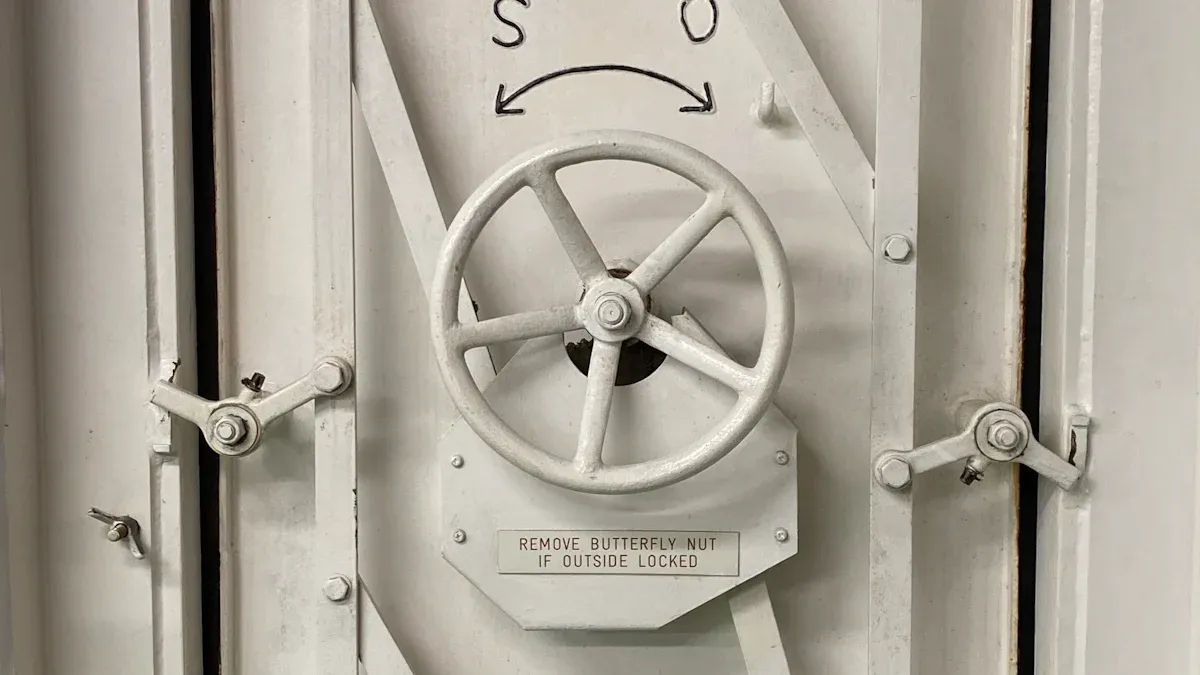
Before picking a watertight door, you should know what it does. This door stops water from getting through, even if there is strong pressure. You find these doors where water might come in from any side. The International Maritime Organization explains what this door is. You can check the table below for more details:
Term | Definition |
|---|---|
Watertight | Stops water from passing in any direction under pressure. |
Watertight Door | A door that keeps the watertight seal of the bulkhead where it is placed. |
This means you use a watertight door when you expect strong water pressure, like below the waterline. The door must stay sealed and strong, even if water pushes from either side. These doors help keep the ship and people safe by working as they should.
A weathertight door works in a different way. You use this door to block water from rain, waves, or sea spray. It does not need to stop water under pressure from below the waterline. Instead, it keeps out water during storms or rough seas. Here are the main things about a weathertight door:
It keeps water out of the ship in any weather.
It must be as strong as the wall or floor where you put it.
It can handle water from outside, but not from below the waterline.
You pick a weathertight door for places above the waterline. This door keeps rooms dry and safe when the weather is bad. You do not use it where there is high water pressure, because it cannot stop flooding from below.
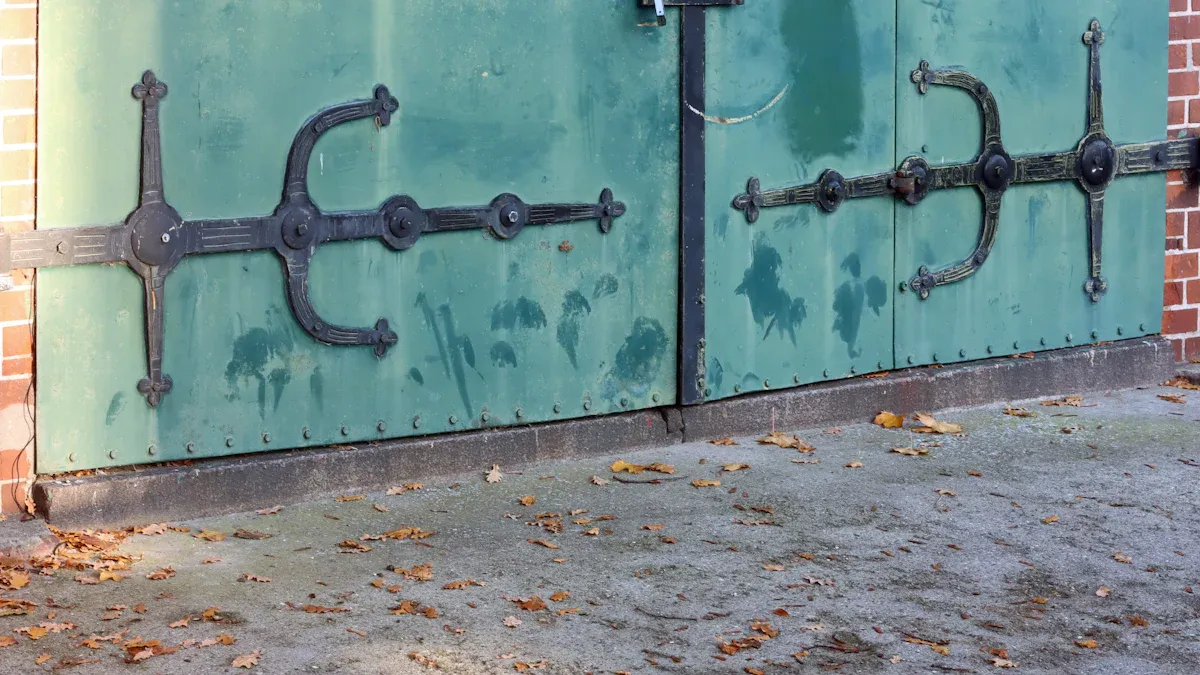
You use a watertight door to keep water from moving between different parts of a ship or offshore platform. This door helps you stay safe during flooding or accidents. It can handle water pressure from both sides. Here are the main functions of watertight doors:
Let you move between compartments without breaking the seal.
Stop water from spreading if one part of the ship floods.
Keep the ship stable and protect people on board.
A weathertight door works differently. You use it to keep out rain, sea spray, and rough weather. It does not stop water under pressure from below the waterline. The main purposes of weathertight doors include:
Protect cargo holds and living spaces from weather.
Help your ship meet safety rules.
Make it easier to control emergencies like fire or leaks.
Keep the ship strong and balanced.
The table below shows how each door prevents water from getting inside:
Type of Door | Function | Location |
|---|---|---|
Watertight Doors | Prevent water from passing between compartments during flooding. | Below the waterline |
Weathertight Doors | Keep out sea spray, rain, and rough weather, but not designed for flooding. | Above the waterline |
You find watertight doors in places where water could cause the most harm. These doors are important for keeping the ship safe if there is a leak or accident. Common locations include:
Engine rooms and machinery spaces.
Bulkheads that separate cargo holds.
Areas where crew and passengers stay.
Passageways below deck.
Stern and bow compartments.
Ballast and tank compartments.
Pump rooms and steering gear rooms.
You install weathertight doors in areas that face the outside environment. These doors protect spaces from rain and spray but do not stop flooding from below. You usually see them:
On exterior and interior bulkheads.
In places exposed to rain, wind, and sea spray.
Tip: Always check the location before choosing a door. Use a watertight door below the waterline and a weathertight door above it.
Watertight doors have special construction to handle strong water pressure. They use multi-channel seals that get tighter when water pushes against them. The frame and door are very strong. You often see these doors fixed with bolts or embedded into the wall to make sure they do not leak.
Weathertight doors have a simpler design. They use single-channel seals and rely on mechanical pressure to keep water out. These doors are not made to handle high pressure. You usually fix them with grooves or simple bonding.
Here is a table that compares the main construction features:
Feature | Watertight Doors | Weathertight Doors |
|---|---|---|
Sealing Mechanism | Multi-channel seals with self-tightening structure | Single-channel seals with mechanical pressure |
Water Pressure Resistance | Must pass hydrostatic pressure tests | Passes water flushing tests |
Installation Method | Embedded and bolted for strength | Grooved or bonded, not for high pressure |
Typical Applications | Cargo holds, engine rooms, below-deck areas | Crew cabins, ventilation openings, exposed decks |
You must test watertight doors to make sure they keep water out under pressure. International rules, like Regulation 16.2 and 46 CFR § 170.270, say you need to test these doors with water pressure. Some doors need a prototype test for the gasket seals. The master of the ship must check and log the condition of each watertight door often. Emergency closing instructions must be clear on both sides of the door.
Weathertight doors have different tests. You need to show that the door keeps out rain and spray. You must submit a test plan and do leak tests before the main test. A surveyor must watch the test to make sure the door meets the rules. For navy ships, you follow SOLAS rules unless you get special permission.
The table below shows the main testing requirements:
Type of Door | Purpose |
|---|---|
Watertight Door | Keeps the ocean out |
Weathertight Door | Keeps the weather out |
Note: Always follow the rules for testing and marking doors. This keeps your ship safe and legal.
When you choose a door for your ship, you need to know how each type works. The table below shows the main differences between a watertight door and a weathertight door. You can use this table to compare their features side by side.
Feature | Watertight Door | Weathertight Door |
|---|---|---|
Core Function | Stops water from moving between ship sections during flooding. | Blocks rain, wind, and sea spray from entering rooms. |
Performance Requirements | Handles strong water pressure with complex seals. | Handles only rain and spray with simple seals. |
Installation Locations | Placed on bulkheads below the main deck or waterline. | Placed on superstructures and open decks above the waterline. |
Regulations and Standards | Follows strict rules like IMO SOLAS and must pass hydrostatic pressure tests. | Follows basic rules to keep out weather, with less strict testing. |
Appearance | Has 6 to 8 locking devices for a tight seal. | Has 4 to 6 locking devices for basic protection. |
Rubber Sealing Strips | Made for high water pressure and strong sealing. | Made for lower pressure, focusing on wind and rain. |
Application | Used in hulls, tanks, and bulkheads to stop leaks and flooding. | Used in topside areas exposed to weather, like doors to outside decks. |
Testing | Needs tough tests to make sure no water leaks through. | Needs simple tests to check for leaks from rain or spray. |
Tip: If you want to keep water out during a flood, you need a watertight door. If you only need to block rain and wind, a weathertight door will work.
You can see that watertight doors protect your ship from serious flooding. They keep you safe if water gets inside the hull. Weathertight doors help you stay dry and comfortable during storms, but they cannot stop water under pressure.
Key points to remember:
Use a watertight door below the waterline or where flooding is possible.
Use a weathertight door above the waterline to block weather.
This table helps you pick the right door for each part of your ship. You keep your crew safe and your ship strong when you choose the right type.
When you pick doors for a ship, you must think about more than just their place. The right door keeps people safe and helps the ship work well. It also affects how much money you spend. If you choose the wrong door, your crew and cargo could be in danger.
⚠️ Tip: Always use the right door for the right spot. Make sure it can block the kind of water it will face. This keeps your ship safe and follows the rules.
Some doors cost more than others. Here are some things to remember:
Weathertight A60 doors are usually more expensive. They stop fire and keep out rain or seawater.
Watertight doors have a different price. They must seal tight and handle strong water pressure.
You need to think about both your budget and your ship’s safety.
If you use the wrong door, big problems can happen. The table below shows what could go wrong:
Consequence | Implication on Vessel Performance |
|---|---|
Leaks | Hurts the ship’s strength and safety |
Inadequate sealing | Makes it easier for water to get in and flood |
Failure to operate in emergencies | Makes the ship less safe in dangerous times |
History gives us a lesson. In 1987, the ferry Herald of Free Enterprise sank after leaving Zeebrugge. The crew left the bow door open, so water rushed in. The ship flipped over, and 193 people died. This happened because the doors were not managed well, the design was bad, and the safety rules were not clear.
You should always:
Use watertight doors below the waterline or where flooding could happen.
Pick weathertight doors for places that get rain or sea spray, like decks and superstructures.
Check all doors often and make sure they work in emergencies.
Choosing the right door saves lives, protects cargo, and keeps your ship safe for the future.
It is important to know how watertight and weathertight doors are different. Watertight doors stop flooding and must follow tough rules. Weathertight doors keep out rain and spray so people stay dry. Look at the table below for a fast summary:
Feature | Watertight Doors | Weathertight Doors |
|---|---|---|
Purpose | Prevent flooding and capsizing | Block rain and sea spray |
Regulations | Strict safety standards | Flexible design rules |
To pick the right door:
Put watertight doors under the waterline.
Use weathertight doors on decks and superstructures.
Make sure the seals are strong and the materials are approved.
Remember: Weathertight is not the same as watertight. Always use the right door for each place and job to keep your ship safe.
You use a watertight door to stop water from moving between ship sections. This door keeps you safe if flooding happens below the waterline.
You should install weathertight doors on decks and superstructures. These doors protect spaces from rain, wind, and sea spray.
You test a watertight door by applying water pressure. You check for leaks and make sure the door stays sealed under strong force.
You should not use a weathertight door below the waterline. It cannot handle water pressure from flooding. Always use the right door for each location.
You should check ship doors often. Regular checks help you find damage early and keep everyone safe.


