Views: 0 Author: Site Editor Publish Time: 2026-02-26 Origin: Site


You can get hurt if you do not follow watertight door safety rules. Recent news says accidents with different watertight doors have caused injuries and deaths. For example, a worker died in a power-operated door accident. Another worker got his thumb crushed when the ship rolled. New rules will start in 2026. You need to look at your safety steps now. Check what you do and make sure it fits the new rules.
Always use the right steps with watertight doors. Do not rush or skip steps. This can cause accidents and hurt people.
Keep watertight doors shut when at sea. This stops flooding. It keeps the ship and crew safe.
Check and fix watertight doors often. This helps find problems early. It also follows safety rules.
Teach your crew how to use watertight doors the right way. Practice and know new emergency steps. This is important for safety.
Never turn off alarms or ignore warnings. These systems help stop accidents. They keep everyone on the ship safe.
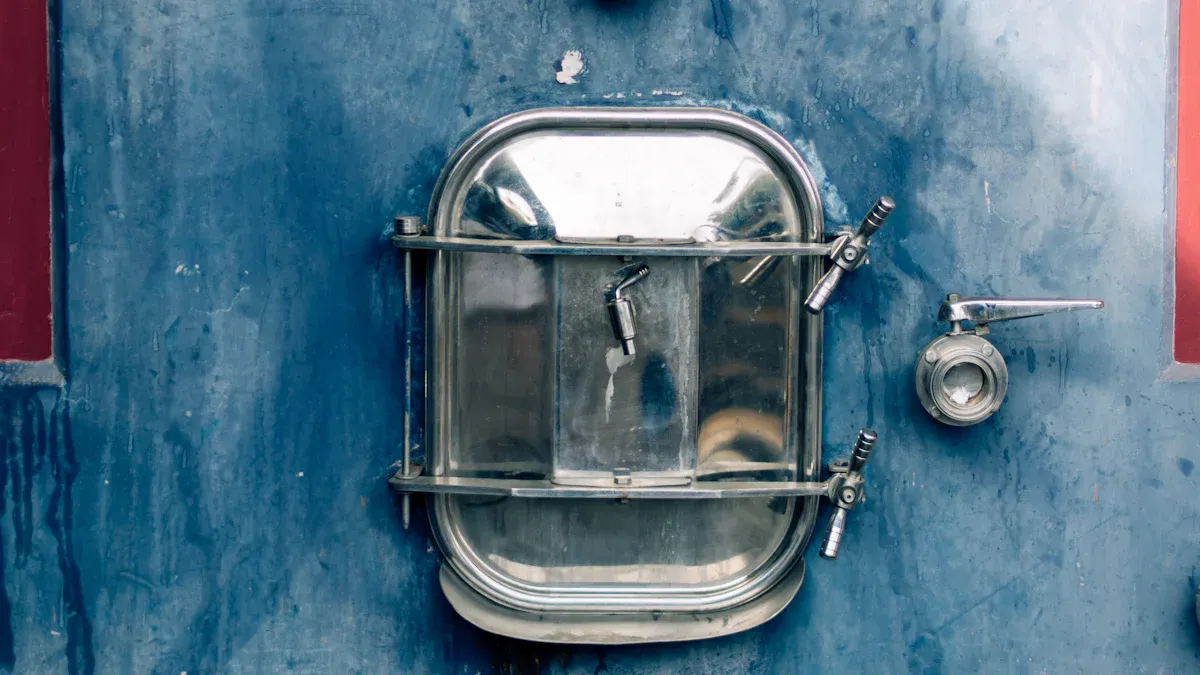
You need to use the right steps every time you use watertight doors. Safety checks show mistakes with watertight closures happen a lot. These mistakes can cause big problems. Water can get into cabins and cause electrical issues or hurt people. Look at the table below for common problems:
Issue Description | Number of Vessels Affected | Incident Details |
|---|---|---|
Issues with watertight closures | 47 | Seawater entering cabin caused electrical fault |
Lost time injury (LTI) related to watertight door | N/A | Finger injury – watertight sliding door |
Even small mistakes can lead to big trouble. The Queen of the North incident showed that leaving doors open or not closing them fast enough can cause flooding and damage. Always use the right steps when handling these doors. Open and close them as you were taught. Do not rush or skip any steps. Power-operated doors need extra care. You must know how to use power-operated doors and follow all safety rules.
Always make sure watertight doors are fully open before walking through. If you try to go through a door that is not all the way open, you could get stuck or hurt. The table below shows what can happen if you do not use doors the right way:
Date | Incident Description | Outcome |
|---|---|---|
2nd April 2025 | An individual was trapped between a sliding hydraulic watertight door and its frame. | The individual was found unconscious and not breathing. An investigation is underway. |
Wait for the door to open all the way before you go through. This easy step can stop bad accidents. Power-operated doors move fast and are strong. Never try to beat the door or rush through. Always use the right steps and stay safe.
Keep watertight doors closed when the ship is at sea. SOLAS rules say doors to spaces below the bulkhead deck must be closed before the ship leaves and stay closed until it arrives.
In ro-ro passenger ships built after 1 July 1997: ... all accesses that lead to spaces below the bulkhead deck must have a lowest point at least 2.5 m above the bulkhead deck; ... the accesses in subparagraphs .2 and .3 must be closed before the ship leaves the berth and stay closed until the ship is at its next berth.
Regulation 20-4: Closure of bulkheads on the ro-ro deck - All transverse or longitudinal bulkheads used to keep seawater on the ro-ro deck must be in place and secured before the ship leaves the berth and stay in place and secured until the ship is at its next berth.
If you leave doors open while the ship is moving, you risk flooding and sinking. The Titanic and Queen of the North sank because these rules were not followed. Always close the doors after you use them and check they are secure. The master should watch and write down when each door is opened or closed in a log book. This keeps everyone safe and makes sure doors are used the right way.
You need to check watertight doors often. If you do not check them, your ship and crew can be in danger. Regular checks help you find problems early. Many accidents happen because people forget to check the doors or leave out maintenance in their safety plans. Missing an inspection can cause big trouble:
Consequence | Description |
|---|---|
Financial penalties | Companies may get large fines for not keeping or testing their systems. |
Reputational damage | People may lose trust in a company if they hear about neglect. |
Health impacts | Not caring for doors can cause health problems and lead to claims. |
Always follow a schedule for checking and fixing doors. This keeps watertight doors working well and helps you follow safety rules.
You must keep door frames and gaskets clean. Dirt can stop watertight doors from sealing right. If you do not clean them, water can get in and cause damage. Use clean water to wash hardware and mild soap for tough dirt. Rinse with water and let everything dry before adding lubricant. Do not use strong cleaners like vinegar or citrus. These can harm coatings and lubricants.
After cleaning, spray silicone lubricant on moving parts. Do not use grease-based lubricants because they attract dust and dirt. Check the lubricant often to make sure the door moves smoothly. Good cleaning and lubrication help stop breakdowns and keep your ship safe.
Tip: Clean and lubricate watertight doors as part of your regular maintenance routine. This easy step can stop leaks and expensive repairs.
Never ignore signs of wear or damage on watertight doors. If you see cracks, rust, or broken parts, fix them right away. Ignoring these problems can cause safety incidents and put everyone in danger. You also risk breaking maritime rules if you do not repair damaged doors.
Regular checks and maintenance are needed to keep watertight doors working.
Ignoring wear and damage can cause safety incidents and put the ship and crew at risk.
Not fixing doors can break maritime rules.
Check wheels, bearings, and gaskets for signs of trouble. Replace worn parts before they fail. This keeps your doors strong and your ship safe.
Remember: Good maintenance keeps watertight doors ready for any emergency.
Good training is needed to keep everyone safe. Many accidents happen when people do not know how to use a watertight door. Every crew member must learn the right way to open and close these doors. Training should be more than just reading rules. It should have hands-on practice and clear steps. Look at the table below to see if your training covers the most important things:
Training Topic | Description |
|---|---|
Use and operation of watertight closures | How to properly operate watertight doors and closures |
Emergency procedures | What to do in case of an emergency involving watertight doors |
Conducting drills | Regular drills to ensure crew readiness for watertight door events |
Functionality of watertight doors | Making sure all doors work as the rules require |
If you leave out any of these topics, your crew and ship could be in danger.
You need to update your emergency steps often. Old plans may not fit new rules or equipment. If your crew uses old steps, they may not act fast in an emergency. Check your emergency plans every year. Practice drills for watertight doors so everyone knows what to do. This helps your crew stay ready and keeps safety high.
Tip: Practice watertight door drills at least two times a year. This helps your crew get better and feel sure of themselves.
New technology can help you use watertight doors better. If you use old systems, you might miss alarms or not see problems. Update your training to teach about new tools and features. Show your crew how to use control panels, alarms, and sensors. This keeps your ship safe and helps you follow the newest rules.
You might think turning off alarms makes your work easier. This action can put everyone at risk. Alarms warn you when something is wrong with watertight doors. If you disable alarms, you may not know when a door stays open at sea. This mistake can lead to flooding and danger for the whole crew. Maritime safety rules, like SOLAS section B4, regulation 22, require you to keep doors closed during navigation. The table below shows what can happen if you turn off alarms:
Incident Description | Regulation | Risk |
|---|---|---|
A vessel watertight door was found left open when the vessel was at sea. | SOLAS (section B4, regulation 22) requires watertight doors to be closed during navigation. | Compromises vessel safety and increases risk of flooding. |
Never disable alarms. These systems protect you and your ship.
You may hear alarms and think they are not important. This is a big mistake. Every alert means something needs your attention. If you ignore alerts, you might miss a problem that could get worse. For example, a door left open can let water in. You must check every alert right away. Quick action can stop accidents and save lives.
Tip: Treat every alarm as urgent. Check the cause and fix the problem before moving on.
You need to test alarm systems often. If you do not test them, you may not know if they work. Broken alarms cannot warn you about danger. Set a schedule to test all alarms and warning systems. Write down each test in your logbook. This habit helps you find problems early and keeps everyone safe.
Test alarms every month.
Record each test in your maintenance log.
Fix any problems right away.
You keep your ship safe when you pay attention to alarms and warning systems.
You must follow strict rules for watertight doors. If you ignore these rules, you put your ship and crew at risk. In 2026, new standards will apply. You need to know the most important requirements:
Power-operated doors must close from the bridge and Ship Control Center in 60 seconds or less when the ship is upright.
These doors must also close when the ship leans up to 15 degrees on either side.
Local alarms must sound for at least 5 seconds before the door starts moving.
Remote controls must show if the doors are open or closed.
These rules help keep everyone safe. You should check your ship’s systems to make sure they meet these standards.
You need to keep good records to show you follow the rules. If you do not keep records, you may face fines or lose your license. Good records also help you fix problems before they get worse. The table below shows what you must document:
Regulation | Description |
|---|---|
SOLAS II-1/13 | Technical standards for watertight doors in passenger ships built after 1 February 1992. |
SOLAS II-1/22.1 | Doors must stay closed during navigation, except for crew passage or needed work. |
SOLAS II-1/22.4 | Some doors may stay open if needed for safe work, but this must be clear in stability info. |
Pre-1992 Regulations | Older ships must keep doors closed unless they meet special SOLAS rules. |
You should write down every test, repair, and inspection. This helps you prove your ship is safe.
You must stay up to date with new rules. In 2026, changes will affect how you use and check watertight doors. If you miss these updates, you may break the law. You should read all new safety codes and train your crew on the changes. Make sure your equipment matches the latest standards. Staying current keeps your ship safe and legal.
Note: Review your compliance plan every year. This helps you catch new rules before they become a problem.
If watertight doors fail, water can get inside fast. Flooding makes the ship unstable and puts people in danger. Watertight doors stop water from spreading, but wrong use can cause deadly accidents. Not watching for flooding risk means you might miss important signs. This makes emergencies worse. Crew survival drops when flooding blocks escape routes. Always check the doors and follow steps to keep water out.
Flooding risk goes up if you use watertight doors wrong.
The ship becomes unsafe when damage stability drops.
Crew survival gets worse if water blocks escape paths.
Note: Watching for flooding risk helps everyone stay safe and alert.
You can get in trouble if you ignore safety rules. Maritime laws say you must follow strict standards for watertight doors. Breaking these rules can mean fines or losing your license. Authorities check records and inspect doors to see if you follow the rules. Missing checks or ignoring rules can lead to big penalties. Keep good records and show you follow all rules.
Penalty Type | Reason for Penalty | Possible Outcome |
|---|---|---|
Financial fines | Ignoring regulations | Large fines |
License suspension | Missing inspections | Loss of operating license |
Legal action | Causing accidents | Court cases or claims |
Tip: Keeping records and following steps keeps you safe from legal trouble.
Watertight doors can be dangerous if not used right. These doors can crush or trap people and block escape routes. Crew who do not know how these doors work face more risks. Following SOLAS rules keeps everyone safe. Train your crew to spot hazards and avoid mistakes.
Watertight doors stop flooding but can be risky if used wrong.
Crushing injuries happen when doors close without warning.
Safety gets better when you follow steps and train your crew.
Alert: Watertight doors are dangerous. Stay aware and act fast to stop accidents.
You need clear steps for using watertight doors. Write instructions and post them near each door. Make sure every crew member knows these steps. Always hold the controls on both sides when passing through. Keep both hands free and never carry heavy loads alone. These measures help you avoid accidents and keep everyone safe. Prevent oil from building up near doors to stop slips. Review your procedures often and update them if you change equipment or rules.
Tip: Clear instructions save lives. Review them with your crew before every voyage.
You must follow a regular maintenance plan for watertight doors. Inspect doors, gaskets, and controls on a set schedule. Clean all parts and check for rust or damage. Lubricate moving parts with the right products. Use alarms and warning lights to show door status. Record every check and repair in your logbook. These measures help you spot problems early and keep your doors working well.
Train your crew on door operation and hazards.
Stick to your maintenance schedule.
Always open doors fully before passing through.
Test alarms and warning lights often.
You should train your crew on watertight doors every year. Use hands-on drills and classroom lessons. Show everyone how to use doors in emergencies. Update your training when you get new equipment or rules. Courses like MSTS-405 teach safe handling, inspections, and drills. Training helps your crew act fast and stay calm during real emergencies.
Course Title | Duration | Description |
|---|---|---|
MSTS-405 | 1 Hr | Learn about safe handling, inspections, and drills for watertight doors. |
You must check your safety measures often. Review all records and make sure you follow the latest rules. Inspect your doors and controls to see if they meet 2026 standards. Update your compliance plan every year. Train your crew on any new measures. Good compliance checks keep your ship legal and safe.
Note: Regular checks and training protect your crew and your ship.
You can avoid serious accidents by following the right steps with watertight doors. Regular checks, clear instructions, and good records help you stay safe and meet new rules. Train your crew often and update your plans for 2026. Stay alert and review your safety measures each year. Small actions make a big difference in protecting your ship and everyone on board.
You should stop what you are doing. Check the door right away. Make sure the door is closed and working. Report any problems to your supervisor.
You should inspect watertight doors every month. Some ships require weekly checks. Always follow your company’s schedule. Write each inspection in your logbook.
No, you should never keep a watertight door open for air. This action breaks safety rules. Use other ways to get fresh air. Keeping doors closed keeps your ship safe.
Record Type | Purpose |
|---|---|
Inspection logs | Show regular checks |
Repair reports | Track all fixes |
Training records | Prove crew readiness |
You must keep these records up to date.


