Views: 0 Author: Site Editor Publish Time: 2026-02-24 Origin: Site


Weathertight doors stop water from getting in during storms. They help keep rooms dry and safe. - Pick strong materials like steel or aluminum for long-lasting use. These materials also stand up to bad weather. - Check and take care of the seals often to stop leaks. This helps the door work the right way. - Follow the rules set by experts to make sure your weathertight door is safe. - Put weathertight doors where they face the weather. Use watertight doors if you need flood protection.
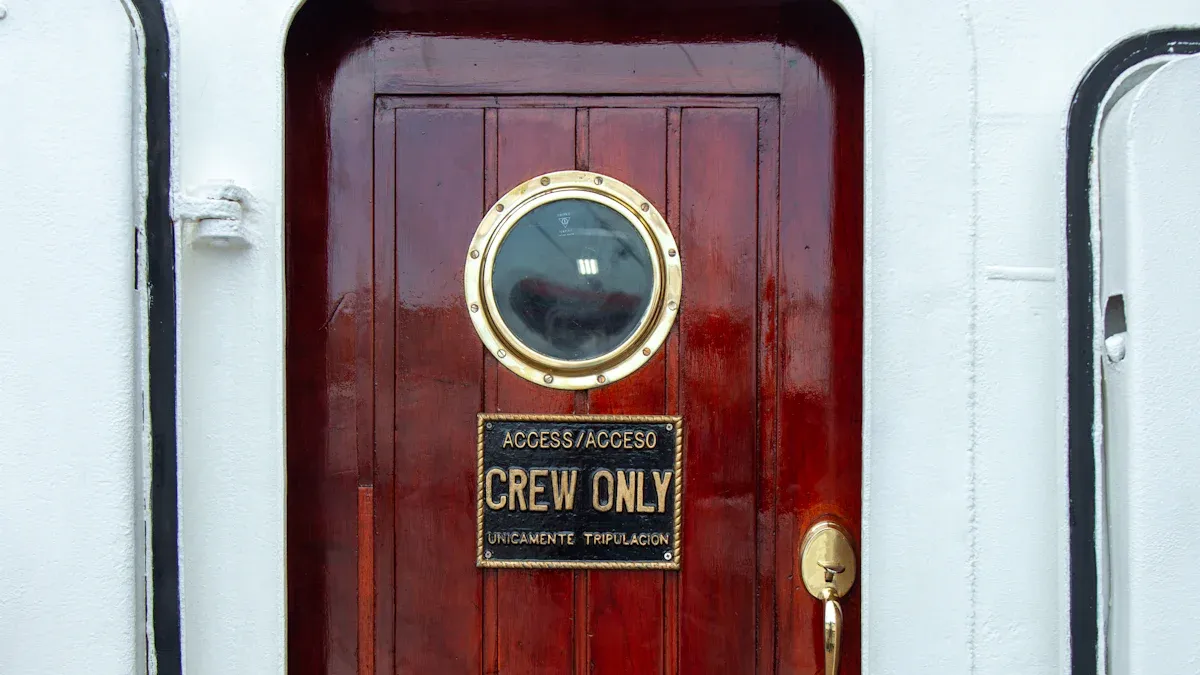
You need a strong door to keep out harsh weather at sea. Weathertight doors use tough materials that stand up to wind, rain, and spray. You often see these doors made from:
Steel: Gives you strength and fire resistance. Steel lasts a long time but can rust if you do not protect it.
Aluminum: Feels lighter than steel. Aluminum resists rust and works well in wet places, but it does not handle fire as well.
Stainless Steel: Offers a mix of strength and a clean look. Stainless steel weathertight door fights rust but costs more and needs care.
Composite Materials: Like fiberglass, these doors weigh less and do not rust. They let you choose special shapes or sizes, but they do not resist fire as well.
The material you pick changes how your door performs. Steel gives you the best strength and fire safety. Aluminum helps when you want a lighter door that does not rust. Composite materials work when you need a custom shape and less weight. Each choice affects how long your door lasts and how well it protects you.
A weathertight door must stop water from getting inside. You get this protection from a tight seal around the edge. Most doors use multiple sealing mechanisms to block water. The most common types are:
Compression Gaskets: These rubber strips press tight when you close the door. They keep out rain and spray, and you can replace them if they wear out.
Inflatable Seals: These seals fill with air and press against the frame. They adjust to different pressures and give you a higher level of sealing.
You lock the door with strong handles or levers, called dogging mechanisms. When you close and dog the door, you press the seal tight. This keeps out wind, rain, and splashing water. You need a tight seal to make sure no water leaks through, even in rough weather.
Tip: Check your seals often. If you see cracks or gaps, replace them right away to keep your door working well.
You want your weathertight door to meet strict rules for safety. Many groups set standards for these doors. The most important ones include:
Standard | Description |
|---|---|
SOLAS | Tested to withstand 5–6m water head, validated per IMO Resolution A.265(VIII). |
ABS, DNV, BV, CCS, LR, KR, NK | All products are certified through third-party inspections, ensuring regulatory acceptance for global operations. |
SOLAS Chapter II-1, IMO Resolution MSC.327(90) | All products undergo rigorous testing in accordance with these standards and international classification society standards. |
These standards make sure your door can handle tough conditions at sea. They check that the door blocks rain, wind, and spray. You should always look for doors that pass these tests before you install them.

You rely on weathertight marine doors to keep water out, especially above the waterline. These doors use strong seals and tight locking systems to block rain, spray, and waves. When you close and secure the door, the seal presses against the frame. This action stops water ingress and keeps your space dry. You protect your equipment and cargo from damage when you use these doors correctly.
If you do not secure the door or if the seal fails, water can leak inside. The most common failure points include missing securing devices or doors that do not seal properly. You can see these issues in the table below:
Common Failure Points |
|---|
Securing devices on weathertight doors missing |
Doors or hatches not weathertight |
You must check your doors often to make sure they work as designed. A small problem can lead to big leaks during storms.
You keep your weathertight doors working well by using them the right way and taking care of them. Always close and lock the door fully. Do not leave it open or unlocked when bad weather is near. You should also follow a regular maintenance routine to avoid problems.
Here are some important steps for maintenance:
Regularly lubricate door handles, locks, and hinges to ensure proper functionality.
Conduct regular inspections of door seals for wear and tear, replacing them as necessary.
Inspect and re-caulk weather stripping around doors to prevent cracking or peeling, ensuring the container remains wind and water tight.
Tip: If you see any cracks or gaps in the seal, fix them right away. Quick repairs help you avoid leaks and keep your door strong.
When you follow these steps, you make sure your weathertight marine doors last longer and protect your vessel in all conditions.
Weathertight doors are used on ships and offshore platforms. These doors protect spaces from bad weather and big waves. You see them on decks, superstructures, and outside openings. Their main job is to keep water out, especially when storms or rough seas happen.
Weathertight closures lock entry points on the main deck. They stop water from coming in and keep people and equipment safe.
Always close and lock these doors unless you need to walk through. This is extra important before storms or bad weather.
Some rules help you use these doors safely:
External doors in deckhouses must stay weathertight.
Doors on the side of a superstructure should open outward. They need hinges at the front edge.
Note: If you keep these doors closed and locked, you lower the chance of water getting inside your vessel during heavy weather.
Weathertight doors are also found in many buildings and places on land. These doors protect important rooms from rain, wind, and flooding. Many businesses and groups use them to keep their work safe and dry.
Airports and transit stations
Warehouses and storage facilities
Healthcare centers and schools
Banks and financial companies
Stores, restaurants, and hotels
Chemical plants and important sites
Apartment buildings and private clubs
Telecom and IT offices
You pick weathertight doors when you need strong protection from weather. They help keep your property, equipment, and people safe in places where storms can cause problems.
You need weathertight marine doors to keep your ship safe. These doors stop water from getting in during storms. They protect you and your cargo from water damage. When you close and lock the door, rain and waves stay outside. This helps your ship stay steady and not sink. If water gets inside, it can flood rooms and make the ship unsafe. Weathertight doors are built to handle strong pressure. They seal off spaces fast in an emergency. This helps you control damage and keeps your crew safer.
Tip: Check your doors before storms. A tight seal keeps your equipment dry and your cargo safe.
These doors also keep your cargo safe from bad weather. They stop leaks and protect valuable items. You avoid expensive repairs and loss. Your ship stays strong and your crew stays safe.
You want your weathertight doors to last a long time. Good marine doors can last 10 to 15 years with care. Cheap doors may only last 3 to 5 years, especially in tough places.
Taking care of your doors helps them last longer.
Cheap doors break faster and need more fixing.
Many things change how long your doors last. You can see these things in the table below:
Factor | Description |
|---|---|
Material Selection | Corrosion-resistant materials like marine-grade stainless steel last longer in salty air. |
Sealing Mechanisms | Compression gaskets and inflatable seals keep water out under different pressures. |
Hinges and Locking Systems | Heavy-duty hinges and secure locks prevent accidental openings and damage. |
Testing and Certification | Doors tested to international standards perform better in real conditions. |
Design for Easy Operation | Ergonomic designs help you open and close doors quickly in emergencies. |
Integration with Automation | Automated doors allow remote monitoring and faster response. |
Maintenance Protocols | Regular inspections and training keep your doors watertight. |
Environmental Considerations | Doors must resist temperature changes and UV rays to avoid wear. |
Note: If you take care of your doors, they last longer and work better. You keep your ship safe and avoid problems.
It is important to know how watertight doors and weathertight doors are different. These doors have different jobs on a ship. Watertight doors stop water from moving between rooms. You use them when flooding happens. Weathertight doors block wind, rain, and spray. They keep rooms dry but do not stop water if flooding starts.
Here is a table that shows the main differences:
Feature | Watertight Doors | Weathertight Doors |
|---|---|---|
Core Function | Prevent water from spreading between cabins during damage, maintaining buoyancy. | Resist external environmental factors like wind and rain, ensuring dryness. |
Sealing Structure | Complex, self-tightening seals that enhance with water pressure. | Simple, single-channel seals that rely on mechanical pressure. |
Water Pressure Resistance | Must withstand hydrostatic pressure; tested under strict standards. | Only needs to pass a water flushing test; no hydrostatic pressure testing. |
Installation Method | Fixed with embedding and bolts to withstand pressure. | Fixed with grooves or simple bonding; does not need to withstand tension. |
Typical Applications | Used in watertight cabins like cargo holds and engine rooms. | Used in non-watertight cabins like crew cabins and deck superstructures. |
Testing is not the same for both doors. Watertight doors are tested in a tank with water pressure on both sides. These doors face strong water pressure tests. Weathertight doors are tested with a hose to copy bad weather.
Note: Watertight doors must follow strict rules for hull and waterline areas. Weathertight doors follow rules for areas above the deck.
You use watertight doors to stop water from moving between rooms. These doors are important in cargo holds, engine rooms, and spaces below the waterline. If flooding happens, watertight doors keep water in one place. This helps the ship stay steady and not sink.
Weathertight doors are used in places open to weather, like deck superstructures and crew cabins. These doors protect against rain and wind but do not stop water from spreading if flooding happens.
Here are some times you need watertight doors:
You want to keep the ship steady and floating in emergencies.
You need to stop water from moving between rooms if there is damage.
You must follow SOLAS rules for hull safety.
If you want to protect your ship from flooding, use watertight doors in important rooms. Use weathertight doors where you only need to block weather.
You need weathertight doors to keep your vessel safe. These doors stop rain and sea spray from getting inside. They protect main deck and living spaces. You use them above the waterline to keep people and cargo dry. The table below explains why these doors are important:
Main Point | Description |
|---|---|
Prevents Water Ingress | Stops water from entering living and work areas. |
Ensures Vessel Stability | Helps your vessel stay steady during storms. |
Regulatory Compliance | Meets safety rules and reduces the risk of capsizing. |
Remember, watertight doors stop flooding. Weathertight doors block bad weather. Pick the right door for your needs.
You get a weathertight door when seals and strong materials block rain, wind, and spray. The door keeps water out and protects your space during storms.
You install weathertight doors on ship decks, superstructures, and exterior openings. You also use them in buildings that need protection from harsh weather.
You inspect seals for cracks or gaps. You test the door by spraying water and checking for leaks. You replace worn parts to keep your door working.
You should not use a weathertight door below the waterline. You need a watertight door in those areas to stop flooding and keep your ship safe.
You should check and maintain your door every month. You clean seals, lubricate hinges, and fix any damage. Regular care helps your door last longer.


