Views: 0 Author: Site Editor Publish Time: 2026-03-17 Origin: Site


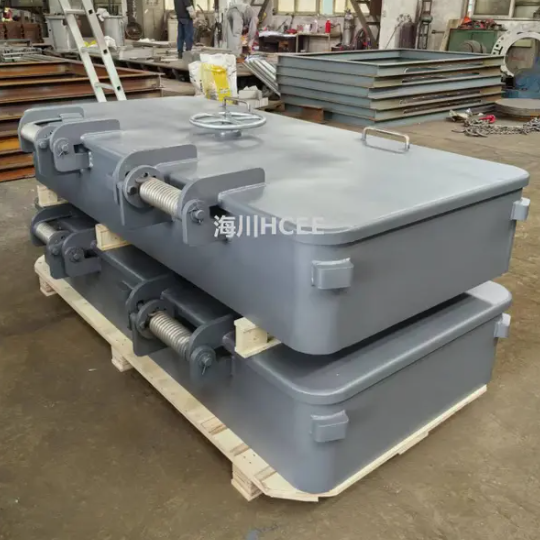
When selecting a marine hatch for a vessel, offshore structure, or industrial marine project, buyers often compare two common options: the quick acting hatch and the multi-bolt hatch. At first glance, both are designed to close an opening securely and help protect the compartment below. However, in real applications, the difference between these two hatch types goes far beyond appearance.
For shipbuilders, equipment buyers, repair teams, and marine contractors, the right choice depends on more than just price. Opening efficiency, sealing method, maintenance convenience, crew operation, installation position, and service environment can all influence whether a quick acting hatch or a multi-bolt hatch is the better solution.
In this article, we will compare these two hatch types from a practical selection perspective and explain how buyers can choose the right option for different marine applications.
A hatch is not only a deck opening cover. In many marine applications, it also affects safety, access efficiency, weather resistance, and routine operation. If the hatch is used frequently, opening speed and convenience become especially important. If it is installed in a location where secure sealing and structural reliability matter most, then durability and closure stability may be the priority.
That is why hatch selection should always begin with the intended use. A hatch that works well in one location may not be the best option in another. Buyers should think about how often the hatch will be opened, who will operate it, what kind of environmental exposure it will face, and how much maintenance access the crew or service team will have.
A quick acting hatch is designed for fast and efficient opening and closing. Instead of tightening multiple individual bolts one by one, it usually uses a quick-closing mechanism that allows operators to secure or release the hatch more quickly.
This makes it especially useful in applications where:
access is needed frequently
operating efficiency matters
crew members need to open and close the hatch quickly
reducing labor time is important
In many practical situations, buyers choose a quick acting hatch because it improves day-to-day usability. When a hatch is opened often, even a small reduction in operating time can make a noticeable difference over the long term.
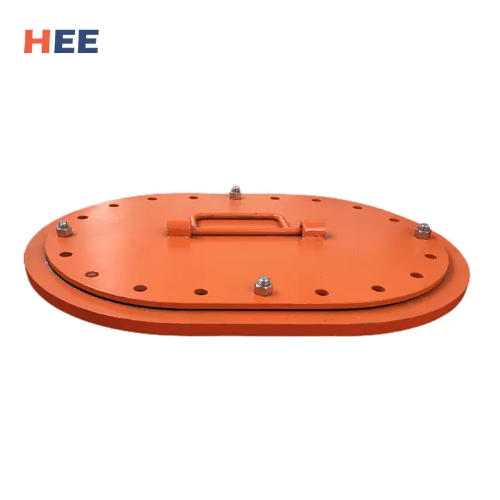
A multi-bolt hatch uses multiple bolts around the hatch cover to create a secure seal when tightened. This type of design is often associated with a more traditional closure method, where the hatch is locked down by fastening several bolts individually.
A multi-bolt hatch is often chosen when buyers prioritize:
firm and even sealing pressure
structural simplicity
durable closure mechanism
less dependence on a quick-action operating system
Because the sealing force is distributed through multiple fastening points, many buyers consider the multi-bolt hatch a strong and dependable option for marine applications where secure closure is more important than fast repeated operation.
| Feature | Quick Acting Hatch | Multi-Bolt Hatch |
|---|---|---|
| Opening and closing speed | Faster | Slower |
| Operating convenience | Higher | Lower |
| Closure method | Quick-locking mechanism | Multiple individual bolts |
| Best for frequent access | Yes | Less ideal |
| Maintenance focus | Mechanism condition and sealing parts | Bolt condition, tightening consistency, sealing parts |
| Typical selection priority | Efficiency and ease of use | Secure closure and traditional fastening |
This table does not mean one hatch is always better than the other. It shows that the two types are designed around different operating priorities.
The most obvious difference between the two designs is operating speed.
A quick acting hatch is built for situations where opening and closing needs to happen quickly and repeatedly. In many engine room, deck access, inspection, or service-related areas, this can be a major advantage. Crew members or maintenance staff can reduce the time required to access the compartment, which improves work efficiency and can make routine operations more practical.
A multi-bolt hatch, by comparison, requires more time because each bolt usually needs to be loosened or tightened separately. This is less convenient for high-frequency access, but may be acceptable in areas where the hatch is opened only occasionally.
So if the hatch is used often, the quick acting design usually has a clear advantage. If access is rare, the extra time involved with a multi-bolt hatch may not be a major concern.
Ease of use becomes important when the hatch is part of regular onboard operation.
Quick acting hatches are generally easier for operators because the closure system is designed to reduce repeated manual fastening. In real working conditions, this can help improve crew efficiency and reduce operating effort.
Multi-bolt hatches often require more manual work. While that is not necessarily a problem in low-frequency applications, it may be less ideal in locations where the hatch needs to be opened regularly for inspection, loading access, or maintenance tasks.
For buyers, this means one simple question matters a lot:
Will this hatch be used as a routine access point, or only as an occasional secured opening?
If the answer is routine access, a quick acting hatch is often the more practical choice.
Both hatch types are designed to close securely, but they achieve this in different ways.
A multi-bolt hatch relies on multiple fastening points around the cover. Many buyers like this design because it feels mechanically direct and secure. The sealing pressure can be distributed around the hatch perimeter through the tightening of several bolts.
A quick acting hatch uses a more integrated operating mechanism to achieve closure. The main benefit is speed, but buyers should still make sure that the hatch design provides reliable sealing performance suitable for the intended marine environment.
In selection terms, the comparison is not really “secure vs insecure.” It is more about how the secure closure is achieved, and whether the operating method suits the real application.
Maintenance is another important difference.
A quick acting hatch may reduce time during routine operation, but buyers should also consider the condition of the quick-closing mechanism, hinges, sealing components, and moving parts. If the hatch is used frequently, these parts should be inspected regularly to maintain smooth operation and reliable closure.
A multi-bolt hatch has a simpler fastening concept, but maintenance still matters. Buyers and operators should check:
bolt condition
corrosion on fastening parts
sealing gasket condition
tightening consistency
hinge and frame condition
In some projects, maintenance teams prefer multi-bolt designs because the closure method is familiar and easy to understand. In other applications, the operational convenience of a quick acting hatch outweighs the extra attention needed for the mechanism.
A quick acting hatch is usually a better choice when the project requires a hatch that is opened and closed frequently. Typical situations may include:
regular inspection access
service openings
machinery-related access points
spaces where fast opening improves working efficiency
projects where reduced operating time is a practical benefit
For shipyards and marine contractors, quick acting hatches can also be attractive when user experience and operational convenience are part of the project requirement. In these cases, the ability to save time during daily operation can justify the design choice.
A multi-bolt hatch is often better suited to applications where the hatch is not opened frequently and where buyers prefer a more traditional, bolt-secured closure method. It may be a good option for:
occasional-access compartments
areas where secure closure is a higher priority than operating speed
projects where structural simplicity is preferred
buyers who want a familiar fastening method
installations where routine rapid access is not required
For some ship repair or retrofit projects, the multi-bolt type may also be preferred because it matches existing design preferences or maintenance habits.
| Buyer Priority | Better Choice in Many Cases | Why |
|---|---|---|
| Frequent opening and closing | Quick Acting Hatch | Improves access efficiency and reduces operating time |
| Occasional access with secure bolt fastening | Multi-Bolt Hatch | Works well when speed is less important |
| Crew convenience | Quick Acting Hatch | Easier and faster in repeated daily use |
| Traditional fastening preference | Multi-Bolt Hatch | Familiar closure style with multiple bolt points |
| Simple mechanical closure concept | Multi-Bolt Hatch | Less reliance on quick-action mechanism |
| Operational efficiency | Quick Acting Hatch | More suitable for routine access areas |
This kind of comparison is usually more useful than a generic “which is better” discussion, because it relates the product choice to actual project needs.
Two hatches may look similar, but their operating method and application suitability can be very different.
A hatch used every day should not be selected the same way as one opened only during inspection intervals.
A lower-priced hatch may cost more over time if it reduces efficiency or creates unnecessary operating effort.
Buyers should think not only about installation, but also about how the hatch will be maintained over time.
The best hatch for a technical drawing is not always the best hatch for daily onboard operation.
The best way to choose between a quick acting hatch and a multi-bolt hatch is to evaluate the real working conditions of the application.
Before ordering, buyers should clarify:
where the hatch will be installed
how often it will be opened
whether fast access is important
what the crew or maintenance team prefers
what environmental exposure the hatch will face
whether long-term operating convenience matters more than traditional fastening style
If the hatch is part of a high-use area, quick acting designs often provide a practical advantage. If the hatch is mainly intended for secure closure in a lower-frequency access location, a multi-bolt hatch may be the more suitable option.
In other words, the right hatch is the one that best matches the operating reality of the project.
When comparing quick acting hatch vs multi-bolt hatch, buyers should not look only at the cover itself. They should compare how each hatch performs in real marine operation.
A quick acting hatch is usually the stronger choice for applications that require speed, convenience, and frequent access. A multi-bolt hatch is often better for projects where traditional fastening, secure closure, and lower-frequency access are the main priorities.
Neither option is universally better. The best choice depends on how the hatch will actually be used, how often it will be opened, and what matters most in the project: operating efficiency, closure style, maintenance preference, or long-term practicality.
If buyers start with those questions, it becomes much easier to choose the right marine hatch for the job.
The main difference is the closure method. A quick acting hatch is designed for faster opening and closing, while a multi-bolt hatch uses multiple bolts for closure and usually takes more time to operate.
In many cases, a quick acting hatch is better for frequent access because it improves operating efficiency and reduces manual fastening work.
Not necessarily in a general sense. Both can provide secure closure when properly designed and maintained. The choice depends more on operating style and application needs.
The answer depends on the project. Multi-bolt hatches have a more traditional fastening style, while quick acting hatches may require more attention to moving mechanism parts. Both need routine inspection of sealing and structural components.
Start by considering access frequency, crew operation needs, maintenance preferences, and the actual installation environment. The best choice depends on how the hatch will be used in practice.
As a manufacturer focused on marine deck fittings and lifting equipment, Changsha Haichuan Marine Equipment Co., Ltd. supplies products such as marine hatches, doors, chocks, bitts, kevels, cargo blocks, sheaves, rigging, and low profile winches for shipbuilding, marine engineering, and related industrial applications. With experience in marine hardware production and project support, we are committed to helping customers choose more suitable solutions based on real application needs. If you are selecting a quick acting hatch, multi-bolt hatch, or other marine deck fittings for your project, you are welcome to contact our team for further discussion.


