Views: 0 Author: Site Editor Publish Time: 2026-01-30 Origin: Site


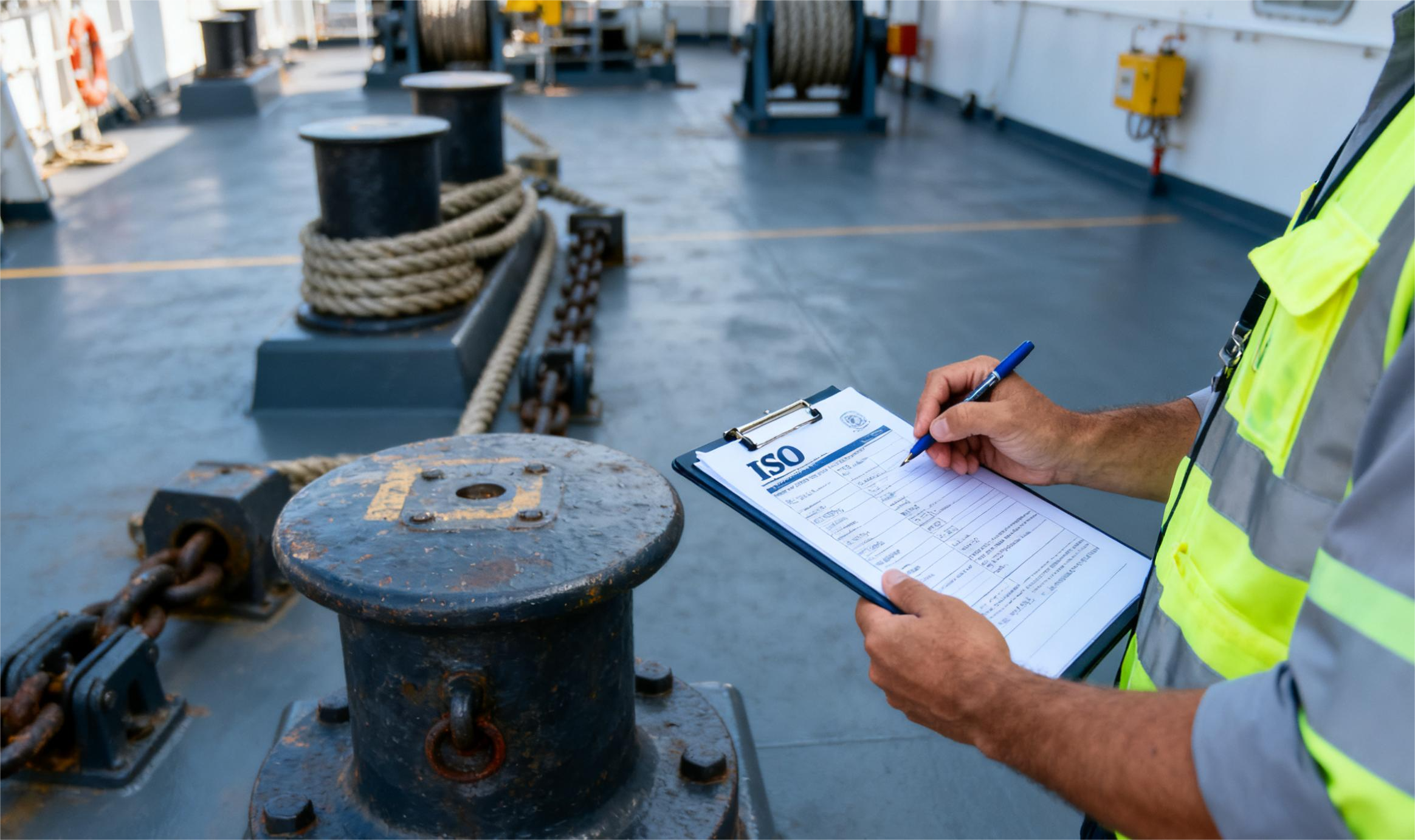
Choosing the right marine deck fittings helps keep your boat safe and comfortable. If you pick fittings that match your deck’s material and how you use your boat, you protect your boat from damage. Studies show that parts like gas springs and anti-vibration mounts help control movement and weight. This means your boat is easier to steer and feels smoother on the water. Bad choices can cause damage or even accidents. Good choices keep your boat working well and ready for fun.
Pick marine deck fittings that match your boat and how you use it. Fishing and cruising need different fittings.
Look at your deck for places that get a lot of stress. Spots that hold weight or move need more care. This helps stop damage.
Choose fittings made from strong materials like stainless steel or bronze. These materials fight rust and last longer in tough weather.
Make sure fittings work well with your deck materials. Use the right fasteners so you avoid rust and get a tight fit.
Check and take care of your deck fittings often. Look for rust, leaks, and loose parts to keep your boat safe and working well.
You want your boat to fit your lifestyle. Start by thinking about how you use your boat. Do you fish, cruise, or sail? Each boat type has different needs for marine deck fittings. Take a look at this table to see what’s common for each type:
Type of Boat | Typical Uses | Deck Fitting Requirements |
|---|---|---|
Fishing Boats | Fishing trips | Rod holders, storage compartments, deck hatches |
Deck Boats | Social gatherings | Open deck area, seating, deck hatches |
Sailboats | Sailing, recreation | Sails, rigging, cleats |
Pontoon Boats | Leisure, swimming | Wide decks, seating, towing fittings |
Cabin Cruiser Boats | Overnight trips | Galley, sleeping area, safety fittings |
You can see that fishing boats need rod holders and deck hatches, while sailboats rely on cleats and rigging. Knowing your boat’s main purpose helps you pick the right fittings.
Your deck faces a lot of pressure in certain spots. You should check for areas that get the most stress, like where people walk or where heavy gear sits. Here are some common stress points:
Hogging: The middle of the hull rises when waves support it.
Sagging: The ends of the hull rise while the middle dips.
Hard spots: Small cracks show up in areas with too much pressure.
You can spot hard spots by looking for cracks. Check inside the boat to find the cause. Reinforce weak panels to keep your deck strong. Safety groups like ISO and ABS set rules for checking these stress points.
Think about what you do on your boat. If you love fishing, you need rod holders and storage. If you cruise, you want comfortable seating and easy access to deck hatches. For sailing, you need cleats, dodgers, and wind catchers. Here’s a quick list of fittings you might need:
Cleats for tying ropes
Chocks for guiding lines
Hinges for deck hatches
Boarding ladders for safe entry
Awning for shade
Choosing the right marine deck fittings keeps your boat safe and easy to use. Avoid mistakes like loose rails or poor support, which can cause leaks or damage. Pick fittings that match your deck and your boating style.
There are many marine deck fittings to pick from. The most common materials are stainless steel, bronze, and plastic. Each material has good and bad points. Here is a table to help you compare them:
Material | Best For | Corrosion Resistance | Strength | Average Cost |
|---|---|---|---|---|
Bronze | Saltwater, long-term cruising | Excellent | Very Good | High |
High-performance boats, looks | Good (with risks) | Excellent | High | |
Composite Plastic | Freshwater, trailer boats, budget | Excellent (immune) | Good | Low |
Bronze is great for saltwater because it does not corrode easily. Stainless steel is very strong and shiny, but it can get crevice corrosion. Plastic fittings never rust, so they work in many places. But plastic can fade if it sits in the sun.
Your deck fittings face harsh weather. Saltwater, water, and sun can hurt them over time. You need materials that can handle these things. Bronze and 316 stainless steel both fight corrosion well. Bronze is best for saltwater. Stainless steel is good too, but watch for crevice corrosion. Composite plastic fittings do not corrode, so they last longer in wet places.
Tip: Always make sure your fittings are marine-grade. Grade 316 stainless steel and silicon bronze are best for saltwater decks. Aluminum needs extra care because it can corrode with other metals.
You want your deck to last a long time. Makers test marine deck fittings for wear and corrosion. They use oil and sprays to keep moving parts working. Training helps boat owners find problems early. New materials like HDPE and EVA foam resist saltwater, sun, and heat. Vinyl and fiberglass also protect your deck from harm. Wood looks nice but needs lots of care to stop rot.
If you pick the right materials, your deck fittings will stay strong and safe. You will spend less time fixing things and more time having fun on your boat.
You want your marine deck fittings to work with your deck, not against it. Every deck material needs the right type of fitting and fastener. Check out this table to see what works best:
Material Type | Recommended Fastenings | Notes |
|---|---|---|
Fiberglass | Non-corrosive types | Use stainless steel or bronze fastenings. |
Wood | Non-corrosive types | Make sure fittings match the wood. |
Aluminum | Stainless steel | Stainless steel works well with aluminum. |
If you have a wood deck, use solid backing blocks under your fittings. For fiberglass, look for backing blocks or add more support with extra laminate. You can use resin-saturated fiberglass cloth to hold wood blocks in place. When you install through-hull fittings, sand the area and remove any bottom paint. This helps everything stick and stay strong.
Getting the right size matters. If you guess, you might end up with loose or weak fittings. Here’s how you can measure for a perfect fit:
Measure from pin center to pin center or from bearing point to bearing point.
Set turnbuckles in their normal position before you measure.
Take out any pins from the ends before you start.
Use a tape measure that does not stretch. Keep it tight for the best results.
These steps help you avoid mistakes. Your deck will feel solid and safe.
You want all your hardware for your boat to work together. If you mix the wrong metals, you can get corrosion. Always check that your new fittings match your old ones. Look at the screws, bolts, and plates. Make sure they fit your deck and do not cause problems. If you use the right parts, your deck will last longer and need fewer repairs.
Tip: Take your time to double-check every measurement and fitting. A little extra care now saves you a lot of trouble later.
You want your boat to be safe for everyone. Safety standards help you know what to look for when choosing the right fittings. Guardrails must meet certain height rules. For most boats, you need a guardrail at least 36 inches high. If your boat carries more people, the rail should be 42 inches. Posts should not be more than 6 feet apart. Each post needs to be strong, at least 4×4 inches, and you cannot notch them. Secure each post to the deck joist with two half-inch bolts. These rules keep your deck strong and safe.
Tip: Always check local and international marine safety standards before installing new deck fittings. This helps you avoid mistakes and keeps your boat ready for inspection.
Some parts of your deck face more stress than others. Cleats and rails are two of the most important fittings. You use cleats to tie ropes and secure your boat. Rails help keep people safe and stop gear from falling overboard. You need to pay extra attention to these areas.
Install cleats with backing plates and strong fasteners. This spreads the load and stops the cleat from pulling out.
Inspect cleats often. Look for signs of wear or damage. Replace any cleat that looks weak.
Pick cleats that match your boat’s size and how you use it. If you sail in rough water or carry heavy loads, you need bigger, stronger cleats.
Rails should be sturdy and meet height standards. Check for loose stanchion bases. Crevice corrosion can make them fail.
When fitting a dodger, make sure the rails and supports are strong enough to handle wind and waves.
If you have deck hatches near these critical areas, check the seals and hinges. Water can leak in if the hatch fitting is loose or damaged.
You want your deck fittings to last. Good installation and regular upkeep make a big difference. Never rely only on sealant to keep water out of your deck core. Use fiberglass resin or epoxy to seal every hole. This stops water from getting in and keeps your deck strong.
Here is a simple table to help you install deck fittings the right way:
Step | Description |
|---|---|
1 | Seal the core around every penetration to prevent water intrusion. |
2 | Drill an oversized hole, fill with epoxy, and redrill as needed. |
3 | Use a bent roofing nail to carve out the core for a smooth bonding surface. |
4 | Inject epoxy and add fiberglass reinforcement to prevent cracking. |
5 | Fully torque fasteners after sealant application to ensure secure installation. |
You should also follow these tips:
Do not use small grub screws instead of proper fasteners. They can fail when caulking wears out.
Avoid drilling extra holes for fittings unless you seal them well. Moisture can get into the deck core and cause damage.
Remove excess sealant so it cures properly.
Check deck hatches for leaks and make sure the hinges work smoothly.
Regular maintenance keeps your deck safe. Here is a checklist you can use:
Look for rust, corrosion, or damage on all fittings.
Check for leaks around pipe fittings and deck hatches.
Test the tightness of each fitting.
Make sure valves and hinges work smoothly.
Inspect hose connections and replace any damaged parts.
Choosing the right fittings and caring for them helps your boat stay safe and strong. You spend less time fixing problems and more time enjoying the water. ️
You want your deck to look great and last for years, but price matters. High-quality marine deck fittings cost more up front, but they save you money over time. Cheap fittings might seem like a good deal, but they often wear out fast. You end up replacing them more often, which adds up. If you use your boat a lot or face tough weather, investing in better fittings makes sense.
Take a look at this table to see how costs compare for different types of decking:
Type of Decking | Cost Range (per square foot) |
|---|---|
High-quality teak | $40-$55 |
Installation cost | +$10 |
When you choose fittings made from marine-grade stainless steel 316, you get better corrosion resistance and durability. These fittings last longer and need less maintenance. Lower-priced options may fail early, which means more repairs and higher costs in the long run. Your deck deserves fittings that match its quality.
Tip: Spending a little more now can help you avoid headaches later. You get peace of mind knowing your deck and deck hatches will stay strong.
Picking the right brand gives you confidence. Some brands stand out for their reliability and strong warranties. You want to know your deck fittings will hold up, especially around busy areas like deck hatches.
Here are a few brands you can trust:
DeckMate
DEKit
Check out this table for warranty details:
Brand | Warranty Details |
|---|---|
DeckMate | Warranty offered (details not specified) |
DEKit | Industry-leading 3-year warranty |
Most leading manufacturers offer warranties that protect your investment. Stainless steel parts often come with a lifetime warranty against corrosion. Outrigger bases and other mechanical parts usually have a 3-year warranty. Some carbon fiber products include a 1-year warranty against UV damage.

When you shop for deck fittings, look for brands that back up their products. A good warranty means you spend less time worrying about repairs. Your deck stays safe, and your deck hatches work smoothly.
You want your deck to last a long time. Picking fittings that fit your deck and deck hatches keeps your boat safe. This also helps you save money. Marine-grade materials fight off water, sun, and mold. They can handle rough weather and lots of use. You will not have to fix your deck as much. You get to spend more time having fun on the water. Look at this table to see how good choices help:
Material Type | Benefits |
|---|---|
Composite | Durable, low-maintenance, corrosion-resistant |
Marine-grade aluminum | Enhances corrosion resistance, ideal for saltwater |
Non-skid textured surfaces | Reduces slip hazards, improves safety |
Check your deck and deck hatches now. Make smart choices so you feel safe every time you get on your boat.
You need strong cleats, rails, and secure hatches on your deck. These fittings help keep you safe when you tie up your boat or move around. Always check that each fitting stays tight and free from rust.
You should inspect your deck fittings every month. Look for loose screws, cracks, or signs of corrosion. If you use your deck often, check it more frequently. Regular checks help you catch problems early.
You can install new fittings if you follow the instructions and use the right tools. Make sure you seal every hole to protect your deck from water damage. If you feel unsure, ask a professional for help.
Bronze and marine-grade stainless steel work best for saltwater decks. These materials resist corrosion and last longer. Avoid regular steel or cheap plastic. Your deck will stay strong and safe with the right choice.
Check your deck for rust, cracks, or loose parts. If a fitting moves or leaks, replace it right away. Old fittings can fail and damage your deck. New fittings keep your boat safe and ready for use.


