Views: 0 Author: Site Editor Publish Time: 2026-01-28 Origin: Site


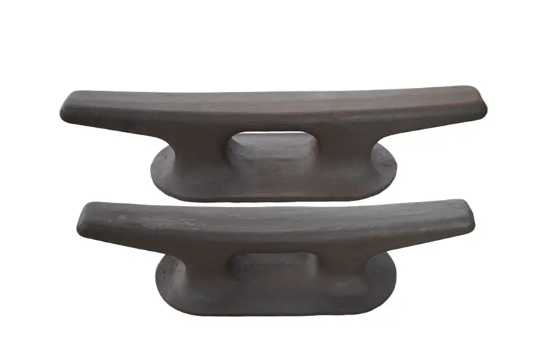
A Cast Steel Kevel Chock helps keep ships in place when docking, joining barges, or stopping movement. You use this strong, metal part with two horn-shaped arms to tie ropes safely.
Term | Definition |
|---|---|
Kevel | A strong, metal deck part with two horn-shaped arms sticking out. You wrap ropes around it to tie or dock a ship. |
This tool is very important for your work on the water. Good steel and a smooth shape stop ice from building up and lower the chance of cracks. This makes your job safer and easier.
Aspect | Impact on Marine Safety and Efficiency |
|---|---|
Material Selection | Good steel that stays strong and bends in the cold helps stop cracks from forming. |
Design Adaptations | Smooth shapes and surfaces stop ice from sticking, so it works better in cold places. |
Crew Training | Learning how to use it right helps the crew stay safe when tying up ships. |
A Cast Steel Kevel Chock holds ropes to keep boats still when docking or tying up. You should pick the right size and kind of chock for your boat to stay safe and work well. Check and take care of your chock often to stop rust and harm, so it lasts longer. Use tough materials like cast steel to stand up to rough sea weather and stop things from breaking. Teach your crew how to use the chock the right way to keep everyone safe and lower the chance of accidents on the water.
You use a Cast Steel Kevel Chock to keep your vessel steady and secure. This tool helps you tie ropes or lines when you dock, couple barges, or stop a boat from drifting. You often see it along the gunnels of barges and workboats. The two horn-shaped arms let you wrap and fasten ropes quickly. When you need to check a vessel’s movement or hold it in place, this chock gives you a strong anchor point.
A Cast Steel Kevel Chock stands out because of its smart design and strong build. You can find it in different mounting types, so you can install it on the deck, bulwark, or even through the deck. This flexibility lets you choose the best spot for your needs. The chock meets strict international standards, which means you can trust its quality and safety.
Tip: Always check the mounting type before installation to make sure it fits your vessel.
Here is a table showing the main features you should know:
Feature | Description |
|---|---|
Materials | Made from cast steel, stainless steel, or cast iron for extra strength. |
Corrosion Protection | Coated with epoxy primer and polyurethane topcoat to fight rust and corrosion. |
Compliance | Meets ISO 13713, ISO 13728, JIS F2005/2007/2017, and DIN 81915 standards. |
Mounting Types | Deck-mounted, bulwark-mounted, and thru-deck options for easy installation. |
You can also choose from different sizes and weights. This helps you match the chock to your vessel’s needs. Here is a table with common sizes:
Weight (kg) | Model No. | Size (mm) |
|---|---|---|
15.1 | 150 | 150 |
20.5 | 200 | 200 |
26.9 | 250 | 250 |
42.7 | 300 | 300 |
50.8 | 350 | 350 |
76.3 | 400 | 400 |
102 | 450 | 450 |
115 | 500 | 500 |
You can see how the weight increases with the size in the chart below:

You want your Kevel Chock to last, even in tough marine conditions. Most chocks use ASTM A27 cast steel. This material gives you great strength and helps your chock resist damage from seawater, acids, and alkalis. You do not have to worry about the chock blasting or breaking under pressure. Many chocks last 10 to 15 years, so you get long-term value.
Here is a table that shows why this material works so well:
Performance Attribute | Description |
|---|---|
Good floating performance | Keeps your vessel stable in water |
Resistance to seawater, acid, and alkali | Stays strong in harsh conditions |
No risk of blasting | Safe to use under heavy loads |
Lifespan of 10 to 15 years | Durable and reliable over time |
Note: Regular checks and cleaning help your chock last even longer.
A Cast Steel Kevel Chock gives you the strength, safety, and durability you need for marine work. You can trust it to hold up in rough weather and heavy use.
You use a Cast Steel Kevel Chock to guide and secure mooring lines when you dock or undock a vessel. This tool helps you keep ropes in place, which stops them from slipping or wearing out quickly. You rely on the chock to prevent accidental disengagement during busy operations. When you couple barges, you need a strong anchor point for your lines. The chock gives you that support, making your work safer and more efficient. Its tough steel construction stands up to harsh weather and heavy loads, so you can trust it every time you tie up.
Tip: Always check your lines for wear before you secure them to the chock. This helps you avoid problems during docking.
You often see Cast Steel Kevel Chocks installed along the gunnels or decks of barges and work-boats. You choose the location based on where you need to secure lines most often. Some chocks mount on the deck, while others fit through the deck or onto the bulwark. You pick the right size and type for your vessel. Here are some common types you might use:
Kevel Chocks
Heavy Kevels
Large Kevels
X-Large Kevels
Thru Deck Kevel
Small Kevels
Raised Kevels
Thru Deck Raised Kevels
You match the chock to your vessel’s needs, making sure it fits the space and handles the load.
You use Cast Steel Kevel Chocks in many industrial settings, not just on boats. These chocks help you secure lines in shipyards, docks, and loading areas. You face challenges like ice building up on chocks and lines, which adds weight and stress. Extreme cold can make steel brittle, so you need to check for cracks. Stiff lines in low temperatures absorb less shock, which can make your job harder. You solve these problems by choosing the right chock and keeping it clean and inspected.
Challenge | Impact on Operations |
|---|---|
Ice accumulation | Adds weight and stress to the system |
Extreme cold | Increases risk of steel cracking |
Stiff mooring lines | Reduces shock absorption |
You keep your equipment in good shape to make sure your work stays safe and efficient.
You need equipment you can trust when working on the water. A Cast Steel Kevel Chock gives you strong support for mooring and towing. Engineers tested many types of chocks using the Finite Element Method (FEM). These tests showed that the chocks held up well under heavy loads. The maximum stress stayed below the safe limit, even when the load reached 68 tons. Some chocks, like the Panama chock, handled towing loads up to 95 tons. This means you can rely on your chock to keep your vessel secure, even in tough situations.
Tests used FEM to check strength under different conditions.
Chocks stayed strong and safe up to 68 tons of working load.
Some models handled even higher loads, like 95 tons for towing.
You can count on this hardware to keep your lines secure and your crew safe.
Saltwater can damage many types of metal, but cast steel stands up to the challenge. You want your mooring hardware to last, even when exposed to harsh marine conditions. Cast steel chocks resist bending and breaking, even after repeated impacts. They keep their shape and strength, so you do not have to worry about sudden failures. This makes them a smart choice for saltwater environments.
Cast steel resists bending and breaking from impacts.
The material keeps its shape after many hits.
It works well in saltwater, so it lasts longer on your vessel.
You face many challenges at sea, from strong waves to freezing temperatures. A Cast Steel Kevel Chock performs well in these conditions. The smooth design helps prevent ice from building up. The strong steel resists cracking, even in cold weather. You get reliable performance whether you work in warm or icy waters. This means less downtime and fewer repairs for your vessel.
Benefit | How It Helps You |
|---|---|
Smooth design | Stops ice from sticking |
Strong steel | Resists cracks in cold weather |
Reliable performance | Works in all marine conditions |
Choosing the right chock helps you work safely and efficiently, no matter where you operate.
You need to install your Cast Steel Kevel Chock in the right place to keep your vessel safe. Pick a spot on the deck or bulwark where you tie lines most often. Use strong bolts or welds to keep the chock secure. Make sure the surface is flat and clean before you start. Always follow the instructions from the manufacturer. If you use the wrong tools or skip steps, the chock may not hold up under stress.
Tip: Double-check the alignment before you tighten the bolts. A crooked chock can cause ropes to slip or wear out faster.
You should check your chock often to keep it working well. Look for cracks, rust, or loose bolts. Clean off any salt, dirt, or ice that builds up. Use a wire brush or a cloth for cleaning. If you see damage, fix it right away. Lubricate moving parts if your chock has them. Keep a record of each inspection in a logbook.
Maintenance Checklist:
Inspect for cracks or rust
Tighten all bolts
Clean off salt and debris
Lubricate moving parts (if needed)
Record inspection date and findings
You can keep your crew safe by following a few simple rules. Always wear gloves when handling ropes and chocks. Stand clear of tight lines, as they can snap back if they break. Never overload the chock with more weight than it can handle. Teach your crew how to use the chock the right way.
Safety Rule | Why It Matters |
|---|---|
Wear gloves | Protects hands from rope burns |
Stand clear of tight lines | Prevents injury from snap-back |
Do not overload | Stops equipment failure |
Train your crew | Reduces mistakes and accidents |
Stay alert and follow these steps to make your work on the water safer and easier.
Now you know a Cast Steel Kevel Chock helps hold vessels in place when docking, coupling barges, and mooring. This tool gives you strong support, keeps you safe, and lasts a long time in rough water. If you want your vessel to be safer, choose good marine hardware and keep learning the best ways to use it.
Keep learning and check your equipment often so your crew stays safe.
You use a Cast Steel Kevel Chock to secure ropes or lines on your vessel. This keeps your boat steady when docking, mooring, or coupling barges.
You match the chock size to your vessel’s needs. Check the weight and diameter of your mooring lines. Use the manufacturer’s chart to pick the correct model.
You should inspect your kevel chock before each use. Look for cracks, rust, or loose bolts. Regular checks help you spot problems early and keep your equipment safe.
Yes, you can use a kevel chock in saltwater. Cast steel resists corrosion and damage from seawater. You should clean and inspect it often to make it last longer.


