Views: 0 Author: Site Editor Publish Time: 2025-06-10 Origin: Site


In the realm of industrial operations, lifting plays a crucial role in various sectors such as construction, manufacturing, warehousing, and logistics. While most people are familiar with vertical lifting, which involves moving loads upward or downward, horizontal lifting is equally important but often less discussed. So, what is horizontal lifting, and why is it essential? This article delves into the concept of horizontal lifting, exploring its applications, techniques, safety considerations, and the physiological and psychological responses it elicits.
Horizontal lifting refers to the process of moving loads across a horizontal plane. Unlike vertical lifting, which is used to move loads up or down, horizontal lifting focuses on lateral or flat surface movements. This method is used in industries where goods need to be transported over long distances without changing elevation, making it essential for operations in warehouses, assembly lines, and construction sites.
The primary distinction between horizontal and vertical lifting is not just the direction of movement but the kind of loads they handle. Horizontal lifting is often more common for handling flat materials such as steel plates, beams, or large sheets of metal, where elevation changes are not required. The emphasis on lateral movement ensures the smooth transfer of heavy objects over distances while maintaining stability.
Horizontal lifting is indispensable in several industries, with its versatility being a key driver in efficiency. Some of the key sectors where horizontal lifting plays a pivotal role include:
Warehousing and Logistics:
In modern warehouses, horizontal lifting techniques are integral to the movement of products within the facility. Equipment such as conveyor belts, forklifts, and pallet jacks is used extensively to move goods from storage areas to shipping zones or between various operational stations. This method streamlines the handling process, allowing for seamless transitions between tasks.
Conveyor belts, for example, offer an automated solution for transferring materials across fixed paths, which is particularly useful in high-volume environments where consistency and speed are critical.
Manufacturing:
Horizontal lifting is essential in production lines for transporting raw materials or semi-finished products from one workstation to another. For example, in automobile manufacturing, horizontal lifters might carry heavy components across assembly lines, reducing the need for manual labor and improving production efficiency.
This technique helps reduce downtime by providing continuous flow in production operations, ensuring that assembly or fabrication can proceed without interruption.
Construction:
On construction sites, horizontal lifting is used to transport materials such as bricks, steel beams, and concrete slabs across the site. This method allows construction crews to move materials closer to their desired location without the need for elevating them, which would otherwise require additional equipment and time.
Large cranes are often used to lift these materials vertically, but horizontal lifting aids in distributing them across the site with greater precision and efficiency.
Maritime Operations:
Horizontal lifting is also crucial in maritime operations, particularly for transferring cargo in ports and harbors. From container terminals to shipyards, the need to move heavy goods horizontally across docks or between containers and vessels is a daily task.
Specialized cranes and hoisting equipment are used to transfer goods safely and efficiently, ensuring the smooth operation of maritime logistics.
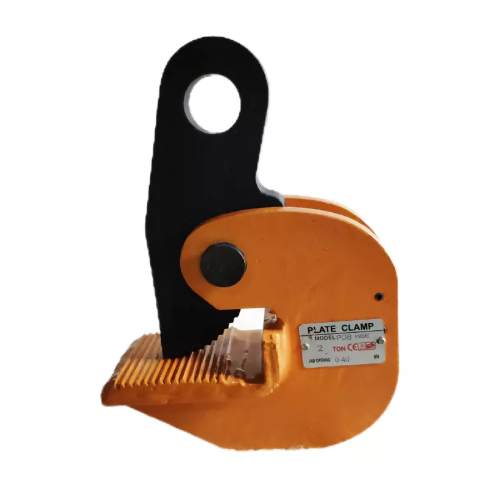
Horizontal lifting requires the use of specific techniques and equipment, each tailored to meet the needs of the industry or application. Here are some of the most commonly used tools and methods:
Conveyor Belts: Automated systems designed to transport materials over predetermined paths, conveyor belts are a staple in warehouses, factories, and large-scale manufacturing plants. They are particularly useful for continuous operations, moving goods over both short and long distances without the need for manual handling.
Forklifts: These versatile vehicles are equipped with forks or tines to lift and transport palletized loads across short distances. Forklifts are essential for horizontal lifting in settings like warehouses and distribution centers, where workers need to move goods from one area to another with ease.
Pallet Jacks: Manual or electric pallet jacks are widely used in environments where loads are not too heavy. They are ideal for short-distance movements, especially in tight spaces like warehouses and retail outlets.
Cranes: Overhead or gantry cranes can also be adapted for horizontal lifting. These systems are capable of lifting and shifting heavy loads, particularly in construction and industrial sites, and can be used to move materials across large distances.
While horizontal lifting is generally considered less hazardous than vertical lifting, it still requires careful planning and execution to prevent accidents and ensure safe operations. Key safety considerations include:
Load Securing: Before initiating any horizontal movement, it is essential to ensure that the load is properly secured. This prevents the load from shifting during transportation, which could lead to accidents or injuries. Securing mechanisms such as straps, clamps, and locking devices are often used to maintain load stability.
Path Planning: A clear and unobstructed path must be planned for horizontal lifting. Any obstacles, such as piles of materials, equipment, or uneven surfaces, can pose a risk during transportation. Ensuring that the lifting equipment is used on level ground and that the path is free from hazards is critical for safety.
Regular Equipment Maintenance: To ensure that lifting equipment performs optimally and safely, it must undergo regular maintenance. This includes checking for wear and tear, ensuring mechanical integrity, and replacing damaged parts before they fail.
Personnel Training: Workers involved in horizontal lifting operations must be well-trained in the proper use of lifting equipment and in recognizing potential hazards. This training should include safe lifting techniques, proper handling of loads, and emergency response procedures.
The physical and mental effects of horizontal lifting on workers are significant and should be addressed to maintain worker health and safety. Research conducted by experts in ergonomics indicates several responses that occur during horizontal lifting tasks.
Heart Rate and Oxygen Uptake: As the load's weight increases or lifting speed increases, workers' heart rates and oxygen uptake also rise. These factors are important to monitor to ensure that workers remain within safe physical limits.
Perceived Workload: According to studies, workers tend to perceive a heavier workload when handling larger or more cumbersome loads. As the weight increases, workers often report feeling fatigued more quickly, which can affect their productivity and efficiency. Understanding these responses is essential for planning breaks and ensuring adequate physical recovery.
Ergonomics Considerations: To mitigate the risk of injury and enhance productivity, ergonomic lifting techniques should be incorporated into horizontal lifting tasks. The proper alignment of the body, use of mechanical aids, and designing workstations to minimize strain can significantly reduce the physical toll on workers.
While both horizontal and vertical lifting are integral to material handling, they differ significantly in their scope and method of use. Here's a closer comparison:
Direction: Horizontal lifting involves movement along a flat plane, while vertical lifting requires elevation changes. Horizontal lifting is best for tasks where the goal is to move objects from one location to another without altering their position or angle.
Equipment: Horizontal lifting uses tools like forklifts, pallet jacks, and conveyor belts, while vertical lifting employs cranes, hoists, and winches. Each piece of equipment is specialized for its respective task and provides the most efficient solution for handling materials.
Distance and Height: Horizontal lifting is typically used to cover longer distances across flat surfaces, whereas vertical lifting is designed for moving materials vertically, whether up to higher floors of a building or into storage racks.
In many industries, both horizontal and vertical lifting methods are required. For instance, in construction, materials are often moved horizontally across a site before being lifted vertically to higher floors. The combination of these two techniques ensures that materials are handled safely and efficiently throughout their journey. Advanced technologies such as automated systems and robotics have made the integration of horizontal and vertical lifting even more seamless.
Horizontal lifting plays a vital role in modern industrial operations, offering unique advantages in terms of efficiency and versatility. By understanding its applications, techniques, and safety considerations, industries can optimize their operations, enhance safety, and improve productivity. Whether in warehouses, construction sites, or maritime ports, horizontal lifting provides an effective solution for moving materials across flat surfaces.
As technology continues to evolve, the integration of horizontal and vertical lifting methods will likely become more seamless, further revolutionizing material handling and lifting operations. By selecting the right equipment and techniques, businesses can ensure safe and efficient material handling, paving the way for improved productivity and profitability in the future.
A: Horizontal lifting refers to the process of moving loads across a flat plane without changing elevation. It is commonly used in industries like warehousing, manufacturing, and construction.
A: Equipment such as conveyor belts, forklifts, pallet jacks, and cranes are commonly used for horizontal lifting, depending on the load size and environment.
A: Horizontal lifting moves loads across a flat surface, while vertical lifting involves moving loads up or down. Each method requires different equipment and techniques.
A: Key safety considerations include securing the load, path planning, regular equipment maintenance, and proper worker training to prevent accidents.


