Views: 0 Author: Site Editor Publish Time: 2026-01-26 Origin: Site


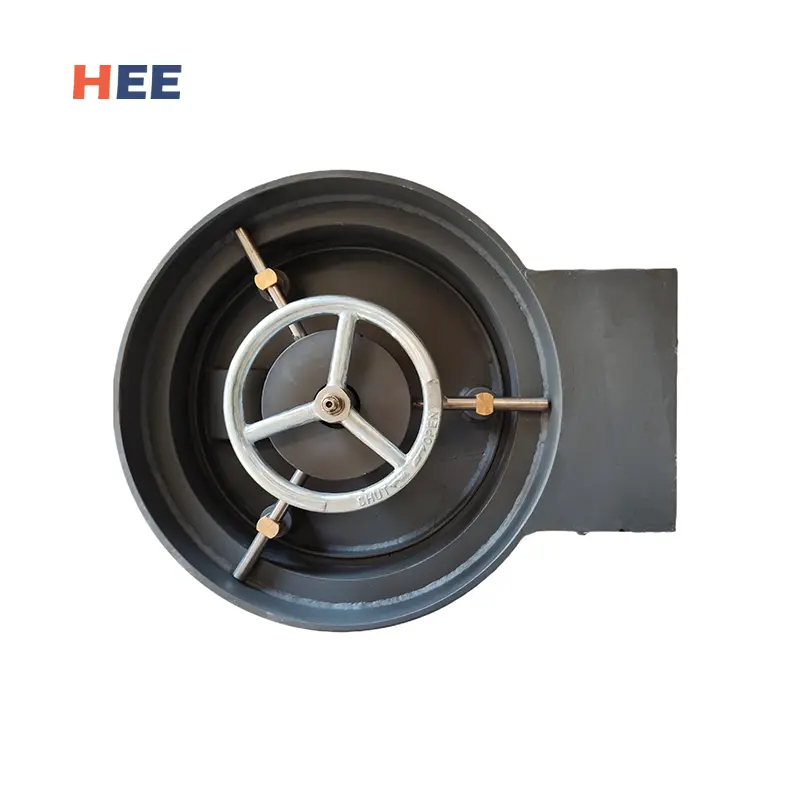
You choose the right marine hatch cover by matching it to your vessel’s needs. Start with your boat’s type and the size of the hatchway. Think about the space you have for operation and the kind of cargo you plan to carry. Select a material that offers strength and resists harsh weather. Always check that the hatch cover meets safety standards and follows regulations.
Pick a hatch cover that matches your vessel’s type and size. This keeps your cargo safe and makes transport easier.
Think about the materials you choose. Steel is strong. Aluminum is light. Composite materials are easy to take care of.
Always make sure the hatch cover is water-tight. It should seal well to keep water out and protect your cargo.
Check and take care of your hatch covers often. This stops leaks and keeps your trips safe.
Talk to experts or suppliers before you buy. They can help you avoid mistakes and follow safety rules.
Choosing the right hatch covers for your boat depends on the type of cover and how it fits your needs. Each type works best for certain vessels and cargo transport situations. You should also think about how much space you have to operate the covers and the size of your hatchway.
Lifting type hatch covers are common on container ships and smaller cargo vessels. You lift these panels off using cranes. This method works well when you have enough space above the hatchway. It is simple but can take more time to open and close. If your boat handles marine cargo transport with containers, this type may suit you.
Rolling type covers slide sideways or lengthwise. You often see them on bulk carriers. These covers save time during cargo handling because you can open them quickly. Rolling covers work best when your ship has large deck openings and enough space for the panels to move. They help make cargo transport faster and more efficient.
Tip: Rolling type hatch covers are ideal for large vessels that need quick access to cargo holds.
Folding type hatch covers fold like a book, usually with hydraulic systems. Bulk carriers often use them. These covers give you efficient access to the hold and protect cargo from weather. They fit well on boats with medium to large hatchways.
Advantages | Disadvantages |
|---|---|
Fast cargo handling and easy access | Hydraulic systems can be complex |
Good weathertightness for cargo protection | Maintenance may be harder in remote ports |
Flexible for different deck cargoes | May need more cleaning with single-skin design |
Sliding type hatch covers move fore-and-aft or across the deck. You find them on ships with very large deck openings. These covers are useful when you need to open a wide space for loading or unloading. If your boat has a wide hatchway, sliding covers can make operations smoother.
Roll stowing type covers stack or roll up to save deck space. Modern container ships often use them. These covers help you keep the deck clear and make it easier to handle large amounts of cargo.
When you choose a hatch cover, always check the space around your hatchway. Large covers need more room to move. Smaller boats may need simpler systems. The right choice helps protect your cargo and keeps marine cargo transport safe and efficient.
Picking the right material for your marine hatch cover matters. It keeps your cargo safe and helps with safety. There are three main choices: steel, aluminum, and composite materials like GRP. Each one has good points and bad points.
Steel hatch covers are used most often. They are very strong and last a long time. Steel is great for heavy-duty jobs. These covers can handle rough weather and heavy things. But steel can rust in salty water. You need to clean and paint them often to stop rust. Steel hatch covers meet safety rules and work well for big ships.
Steel is best for heavy jobs and strong needs.
You should check for rust and fix problems fast.
Aluminum hatch covers are lighter than steel ones. You can move them more easily. They do not rust as much in saltwater. Aluminum is good for boats that need to be light. You must use special coatings and wash with fresh water to protect aluminum. Aluminum covers are not as strong as steel for heavy loads. But they still protect most cargo well.
Tip: Fix paint chips on aluminum covers to stop rust.
Composite and GRP hatch covers use new materials. They are strong but much lighter than steel. These covers do not crack easily and do not need much rust protection. Maintenance is simple, and you save fuel because they weigh less. These covers help keep your boat steady. You may need to refinish the surface for sun protection. But taking care of them is easy.
Composite covers are over 40% lighter than steel.
They do not rust and last a long time with little work.
Here is a quick look at how each material stacks up:
Material | Durability | Weather Resistance | Compliance | Market Share |
|---|---|---|---|---|
Steel | High | High | Good | Significant |
Aluminum | Moderate | Moderate | Moderate | Increasing |
Composite | High | High | Excellent | Growing |
When you pick a hatch cover material, think about your boat’s needs. Steel is best for heavy loads and tough weather. Aluminum helps you save weight and fights rust. Composite covers are easy to care for and protect well. The right choice keeps your cargo safe and your boat in good shape.
You want your boat to handle tough conditions at sea. Durability and strength matter most when you pick a marine hatch cover. Strong steel construction gives you a cover that lasts for years. These covers can take heavy loads and rough weather. If you use your boat for marine cargo transport, you need a hatch cover that will not bend or break. Advanced designs use durable gaskets and sealing systems to keep the cover working well. When you choose a strong cover, you help your boat stay safe and ready for any trip.
Keeping water out of your boat is very important. A good marine hatch cover must create a watertight seal around the edges. Gaskets and clamping systems help stop water from getting inside. Even in rough seas, the right hatch covers protect your cargo from rain and waves. You should look for covers that use advanced sealing systems. These systems work in folding, sliding, or rolling designs. Weather tightness keeps your cargo safe and dry during cargo transport.
Hydraulic or manual operation makes it easy to open and close the cover.
The design focuses on stopping water from entering, even in heavy weather.
Durable gaskets and strong seals are key for water-tight protection.
Note: Always check the gaskets and seals for damage before you leave the dock.
You must follow safety rules when you use a boat. Marine hatch covers help you meet these rules. The right cover keeps your crew and cargo safe. It also helps you follow laws for marine cargo transport. Many covers come with features that support safe operation, like secure locking systems and warning signs. You should always check if the cover meets the latest safety standards for your ship. This step helps you avoid fines and keeps everyone on board safe.
Safety Feature | Why It Matters |
|---|---|
Secure locking system | Stops covers from opening |
Warning signs | Alerts crew to danger |
Strong construction | Protects against accidents |
You want a hatch cover that is easy to use. Simple operation lets you load and unload cargo faster. Hydraulic or manual systems help you open and close the cover without much effort. When you pick a cover that is easy to use, you save time and reduce mistakes. New designs use automation and smart technology. These features let you check the cover in real time and fix problems quickly. Easy maintenance means you spend less time fixing the cover and more time on the water.
Quick opening and closing speeds up loading and unloading.
Simple systems reduce the time you spend on repairs.
Automation helps you spot problems before they get worse.
Tip: Clean and check your hatch covers often to keep them working well.
You need to think about cost when you choose a hatch cover for your boat. The price depends on the material, design, and extra features. Steel covers cost more at first but last longer. Aluminum and composite covers may save you money on fuel because they weigh less. You should also think about how much you will spend on repairs and upkeep. A cover that is easy to maintain can save you money over time. Always balance the upfront cost with long-term savings and safe operation.
Cover Type | Upfront Cost | Maintenance Cost | Lifespan |
|---|---|---|---|
Steel | High | Moderate | Very Long |
Aluminum | Moderate | Low | Long |
Composite | Moderate | Very Low | Long |
Choosing the right marine hatch cover means looking at all these factors. You keep your boat safe, protect your cargo, and make sure your trips go smoothly.
Start by looking closely at your boat and its hatchway. You want to make sure the marine hatch cover fits well and keeps your cargo safe. Follow these steps to check your needs:
Inspect the outside of the hatchway from the weather deck.
Stand on observation platforms to see inside the hatchway.
Close any stowed covers to expose the outer hatchways for a better look.
Go inside the topside tanks to check the long sides for strong connections.
Look at the cross-deck for strong connections across the boat.
Watch for water streaks or stains on the inside. These marks show if water gets in and if the hatch covers need better sealing.
Tip: Careful inspection helps you spot problems before they cause leaks or damage during cargo transport.
After you know your boat’s needs, compare different marine hatch cover choices. Use this table to help you look at important points:
Criteria Type | Details |
|---|---|
Technical Compliance | Meets ISO 16528, DIN 40900, and Class Society rules. Check material certifications. |
Operational Performance | Test for water resistance, hinge strength, and UV stability. Ask for lab reports. |
Financial Considerations | Figure out total cost over 10 years. Look at repair costs and supplier delivery rates. |
Compatibility | Make sure covers fit your boat’s deck and match the frame. Check size accuracy. |
Supplier Support | Choose suppliers with on-site help, spare parts, and good warranties. |
Safety Features | Look for locking systems and anti-slam latches to keep your ship safe. |
Talk to suppliers or marine experts before you buy. Ask about their certifications and skills. The right people can test your hatch covers and make sure they work well. Look for these qualifications:
Certification Type | Description |
|---|---|
Hatch Cover Tightness Testing Certification | Shows the supplier can check if covers keep water out. |
Certified Operators for Ultrasonic Tightness Testing | Lists experts who can test your covers with special tools. |
Note: Certified experts help you avoid mistakes and keep your boat safe.
Pick the marine hatch cover that matches your boat’s needs and fits your budget. Make sure the covers meet all safety rules and work well with your deck. Choose a supplier who offers good support and clear warranties. When you follow these steps, you help your boat stay ready for every trip and keep your cargo safe.
You can improve your boat’s safety and comfort with customization. When you choose boat hatch customization, you get a perfect fit for your boat’s unique shape and size. Customization lets you pick materials and finishes that match your needs. You can add features like extra locks or tinted glass for privacy. Custom boat hatches help you solve problems that standard covers cannot fix. You also get better weather protection and a look that matches your boat’s style. Customization gives you more control over how your boat works and looks.
If you want a step-by-step guide to customizing your boat hatch, you should follow these important steps:
Sand the fiberglass recess to prepare the surface for the sealant. Clean the area with acetone.
Place closed-cell foam tape in the trough to center the acrylic lens.
Apply a continuous bead of sealant into the recess.
Lower the acrylic lens into the sealant bed without sliding it.
Use wooden battens and clamps to press the lens evenly and make sure the sealant spreads.
For deep recesses, clamp the lens, let it cure, then inject a finishing bead for a strong seal.
This boat hatch customization process helps you get a watertight and secure fit. You can follow these steps to make sure your hatch lasts a long time and keeps your boat safe.
You should think about customization when standard hatches do not fit your boat. Sometimes, you need a different shape or size that regular hatches cannot provide. You may want a special configuration for your boat’s layout or for a unique use. Custom boat hatches work best when you have special needs or want a design that stands out.
You need a hatch that fits a special boat model.
You want a different configuration not found in standard hatches.
When you look at considerations for customizing boat hatches, you make sure your boat gets the best fit and function. Customization gives you more choices and better results for your boat.
You need to prepare your boat before you start installation. Follow these steps for a smooth process:
Inspect the hatch opening. Measure the size and check for any damage or uneven spots.
Review your boat’s design and make sure the hatch cover matches your needs.
Check all parts when they arrive. Make sure nothing is broken or missing.
A careful start helps you avoid problems later.
Good installation keeps your boat safe and dry. Here are some tips:
Clean the mounting area. Remove old sealant, dirt, or rust.
Make sure the hatch frame sits flat on the deck. Use extra support if needed.
Space bolts every 4–6 inches. Do not make them too tight or too loose.
Use marine-grade sealant, not cheap types. This helps the hatch cover tape work well.
Proper installation helps your hatch cover tape seal tightly and last longer.
You should check your hatch covers often. Look for cracks, rust, or loose bolts. Clean the area and remove any dirt. Replace old hatch cover tape if it looks worn. Keep a regular schedule for these checks. This is one of the best maintenance tips for boat hatches.
Hatch cover tape keeps water out of your boat. Inspect the hatch cover tape and gaskets often. If you use foam or tape, test the covers with a surveyor. Write down the results to show your hatch covers are watertight. Watch for foam getting into the cargo hold or blocking drains. Use ultrasonic testing to check for leaks in the rubber seals. Check hinges and locks too. Do not use foam or tape as the only sealant. This can cause more problems and make leaks harder to fix. Hatch cover tape needs to be clean and free from damage. Replace hatch cover tape if you see cracks or gaps. Always use the right hatch cover tape for your boat.
You must test your hatch covers after installation. Use a hose test by spraying water on the hatch cover tape to look for leaks. Try ultrasonic testing to find small leaks in the hatch cover tape. You can also use a light test or chalk test. Air tests help find leaks too. Ultrasonic tests give the best results and many insurers accept them. Always check the hatch cover tape during these tests.
Problems can happen with hatch covers. Here is a table to help you fix them:
Problem | Description | Troubleshooting Method |
|---|---|---|
Wrong Material | Using the wrong hatch cover tape or gasket type. | Pick the right hatch cover tape for your boat and use the correct material for each job. |
Installation Mistakes | Bolts too tight or loose, bad sealant. | Use the right compression, clean grooves, and follow the instructions for hatch cover tape. |
Reactive Maintenance | Waiting for leaks to fix hatch cover tape. | Check hatch cover tape every 30, 90 days, and once a year to catch problems early. |
Check your hatch cover tape often. Replace it when needed. This keeps your boat safe and dry.
You can choose the right marine hatch cover by following a few clear steps. Start by looking at your boat and ship needs. Pick the best type and material for your hatch covers. Check that everything fits well and meets safety rules. Keep your boat in top shape with regular care. Use this guide to protect your cargo and make every trip safe.
You use a marine hatch cover to keep water out of your cargo hold. It protects your cargo from rain, waves, and sea spray. A good hatch cover also helps your boat stay safe and strong.
You should check your hatch covers before every trip. Inspect them every 30 days for cracks, rust, or loose parts. Regular checks help you find problems early and keep your boat safe.
Yes, you can replace hatch cover tape on your own. Clean the area first. Remove old tape and apply new tape carefully. If you see big damage or leaks, ask a marine expert for help.
Ignoring maintenance can lead to leaks, cargo damage, and safety risks. You may face costly repairs or even fail safety checks. Always keep your hatch covers in good shape to avoid these problems.


