Views: 0 Author: Site Editor Publish Time: 2026-03-20 Origin: Site


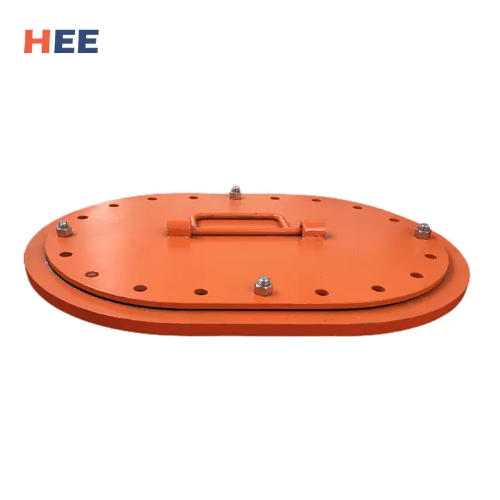
When specifying deck access solutions for commercial vessels, offshore platforms, workboats, and marine infrastructure, choosing between a raised hatch and a flush hatch is more than a design preference. The choice affects water resistance, deck safety, installation complexity, maintenance access, and long-term operational performance.
Both types of marine hatches are widely used, but they are built for different deck conditions and functional priorities. For shipyards, naval architects, and marine contractors, understanding the practical differences helps ensure the hatch system matches the vessel’s structural layout and service environment.
This article compares raised hatches and flush hatches in terms of structure, drainage, safety, installation, and application suitability, so you can make a more informed decision for your next marine project.

A raised hatch is a hatch with a coaming or frame that extends above the deck surface. In other words, the hatch opening is elevated rather than sitting level with the surrounding deck.
This raised structure creates a physical barrier that helps reduce the risk of water entering the compartment below. Because of this, raised hatches are commonly selected for areas exposed to rain, seawater, washdown, or heavy splash conditions.
Elevated coaming above deck level
Better natural protection against water ingress
Often used with watertight or weathertight sealing systems
Suitable for exposed decks and harsh marine environments
Common in commercial, offshore, and industrial marine applications
In practical terms, raised hatches are often preferred when durability and environmental protection are more important than maintaining a completely smooth walking surface.

A flush hatch is designed so that the hatch cover sits nearly level with the surrounding deck surface. This creates a cleaner deck profile and minimizes protrusions that could interfere with foot traffic, wheeled equipment, or deck operations.
Flush hatches are commonly used in applications where deck walkability, appearance, and space efficiency are key priorities. They are especially useful in areas where personnel move frequently across the deck or where deck equipment must pass over the hatch.
Cover sits level or nearly level with deck
Cleaner appearance and lower profile
Reduced trip hazards in traffic-heavy areas
Often used where deck accessibility and movement are priorities
More dependent on sealing quality and drainage design
While flush hatches offer a sleek and practical solution for many marine layouts, they typically require more careful planning to ensure effective drainage and water resistance.
The most visible difference between raised and flush hatches is their relationship to the deck surface, but the structural implications go much deeper.
A raised hatch includes an upstanding coaming that projects above the deck. This gives the hatch a more pronounced profile and can improve structural separation between the deck and the opening below. In exposed marine environments, this added height acts as a first line of defense against water running across the deck.
Because the hatch sits proud of the deck, it may slightly interrupt movement patterns, but it also creates a more robust boundary around the opening.
A flush hatch is integrated into the deck to keep the top surface aligned with the surrounding area. This can produce a more streamlined deck layout and is especially helpful when space is limited or when a smooth operational surface is required.
However, because there is less elevation above deck level, flush hatches rely more heavily on:
precise fabrication tolerances
gasket performance
cover compression
drainage channel design
proper installation alignment
Raised hatches work well when protection and separation are priorities.
Flush hatches work well when unobstructed deck movement and a clean profile are priorities.
The choice often depends on whether the vessel design favors environmental resilience or surface continuity.
In marine applications, water management is one of the most important factors in hatch selection.
Raised hatches have a natural advantage because the elevated coaming helps keep surface water from flowing directly into the opening area. Even before gasket compression comes into play, the raised edge adds passive protection against:
green water on deck
washdown spray
standing water
rain accumulation
splash from adjacent operations
This is why raised hatches are widely used on exposed decks, offshore support vessels, fishing vessels, utility craft, and industrial marine platforms.
Flush hatches do not have the same elevated barrier, so water can reach the perimeter more easily. To perform reliably, flush hatch systems often depend on:
high-quality sealing systems
effective drainage recesses or channels
precise frame installation
correct deck slope integration
routine inspection and maintenance
A properly engineered flush hatch can still provide excellent performance, but it generally requires tighter control over the surrounding deck design.
If water exposure is frequent and severe, raised hatches are usually the safer choice. If the operating area is more controlled and deck traffic is the priority, flush hatches can perform well when specified and installed correctly.
Marine deck safety is not just about slip resistance. It also involves how easily crew, inspectors, and equipment can move through the area without obstruction.
Flush hatches are typically preferred where personnel frequently walk across the deck. Because the cover sits level with the surrounding surface, the risk of catching a foot or wheel on the hatch edge is reduced. This makes flush hatches a good choice for:
access paths
working decks with frequent movement
passenger areas
areas with carts or wheeled equipment
decks where a clean walking line matters
Raised hatches introduce a visible step or edge above the deck. In some layouts, this can increase trip risk if the hatch is placed in a high-traffic route. However, the raised structure also makes the opening more visually defined, which can help crew identify access points quickly.
Raised hatches are often safer in environments where water protection matters more than uninterrupted walking flow. Good placement, anti-slip surface treatment, and clear deck planning can minimize movement-related hazards.
Safety depends on context:
For high pedestrian traffic, flush hatches often offer better walkability.
For wet, exposed, and industrial areas, raised hatches often provide better environmental safety and compartment protection.
Hatch performance depends not only on the product itself, but also on how easily it fits into the deck structure and surrounding workflow.
Raised hatches are often more forgiving in wet-service applications because their elevated geometry contributes to water resistance. In many cases, they can be easier to integrate where deck exposure is high and waterproofing margins are critical.
However, because they project above deck level, they need enough clearance and should not interfere with:
foot traffic routes
cargo handling paths
machinery movement
adjacent structures or equipment
Flush hatches require more careful coordination with the deck surface because the top must align correctly with the surrounding structure. This may involve tighter fabrication tolerances and more attention during installation.
Space efficiency is one of the key advantages of flush hatches. In confined layouts or areas where vertical protrusions are undesirable, they help preserve usable deck space.
Both raised and flush hatches can be designed for efficient access, but flush systems may require closer monitoring of drainage channels, seals, and recess areas to prevent water buildup or debris accumulation.
There is no single “better” hatch type for all marine applications. The right choice depends on the operating environment, deck function, and project priorities.
Raised hatches are usually the better option for:
exposed weather decks
offshore platforms
workboats and utility vessels
fishing vessels
engine room and machinery access in splash-prone zones
industrial marine environments with frequent washdown
applications where water ingress prevention is a top priority
In these settings, the extra coaming height provides a practical advantage in protecting internal spaces.
Flush hatches are often the better option for:
passenger vessel decks
yacht and leisure craft applications
traffic-heavy working areas
deck zones requiring smooth movement
areas with wheeled equipment or carts
projects where low-profile design and aesthetics matter
controlled marine environments with managed drainage
In these cases, a flush hatch can improve usability and deck appearance without compromising access convenience.
When selecting between raised and flush hatches, buyers should look beyond appearance and compare the hatch in the context of the full operating environment.
Ask how much water, spray, washdown, and standing moisture the deck area will face. Higher exposure generally favors raised hatches.
If crew or equipment frequently cross the hatch location, flush hatches may improve movement efficiency and reduce obstruction.
Review the hatch’s gasket system, compression mechanism, and closing hardware. This is especially important for flush hatches.
Commercial workboats, offshore vessels, and industrial platforms often prioritize durability and water resistance. Passenger or leisure vessels may prioritize appearance and smooth deck integration.
Flush hatches usually require more precise integration with deck structure and drainage design. Raised hatches may require more consideration for clearance and route planning.
In marine environments, hatch material matters as much as hatch type. Verify that the product is suitable for the intended corrosion conditions, load requirements, and maintenance schedule.
A qualified supplier can help match hatch type, dimensions, sealing class, material, and hardware configuration to your vessel or platform requirements.
Raised hatches and flush hatches each offer clear advantages in marine applications, but they are designed for different priorities.
A raised hatch is generally the better choice when your project demands stronger protection against water ingress, especially on exposed or industrial decks. A flush hatch is often the better choice when smooth deck movement, lower profile design, and clean integration are more important.
For shipyards, marine contractors, and vessel designers, the best specification decision comes from balancing deck exposure, walkability, installation constraints, and long-term maintenance needs. Choosing the right hatch type at the design stage can improve both safety and operational performance throughout the vessel’s service life.
The main difference is their deck profile. A raised hatch has a coaming that extends above the deck, while a flush hatch sits level or nearly level with the surrounding deck surface.
Raised hatches are generally better for preventing water ingress because the elevated coaming creates an additional barrier against surface water and spray.
Yes, flush hatches are safe when properly designed and installed. They are especially useful in traffic-heavy areas because they reduce trip hazards and improve walkability.
Raised hatches are commonly used on exposed decks, offshore structures, workboats, fishing vessels, and industrial marine platforms where water resistance is a priority.
Flush hatches are often used on passenger vessels, yachts, access walkways, and other deck areas where a smooth, low-profile surface is preferred.
Yes. Flush hatches usually require more precise deck alignment, sealing, and drainage planning to ensure reliable long-term performance.
It depends on the application. Raised hatches are often better for harsh, exposed environments, while flush hatches are often better for high-traffic or appearance-sensitive deck areas.
Need help choosing the right marine hatch for your vessel or project?
Whether you need a raised hatch for exposed working decks or a flush hatch for smooth deck integration, our team can help you compare specifications, materials, and application requirements. Contact us today for technical support, product recommendations, or a custom marine hatch solution.


